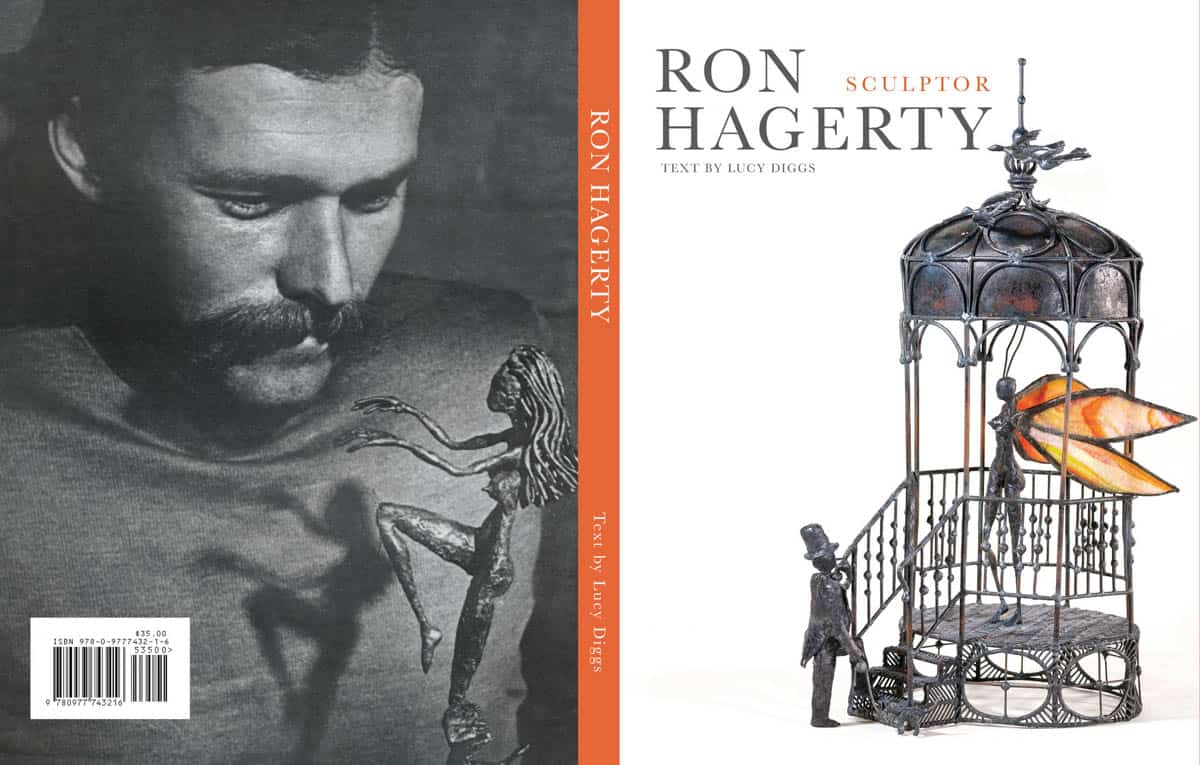
Ron Hagerty: Sculptor

Ron Hagerty: Sculptor

Ron Hagerty: Sculptor
Text by Lucy Diggs

RON HAGERTY

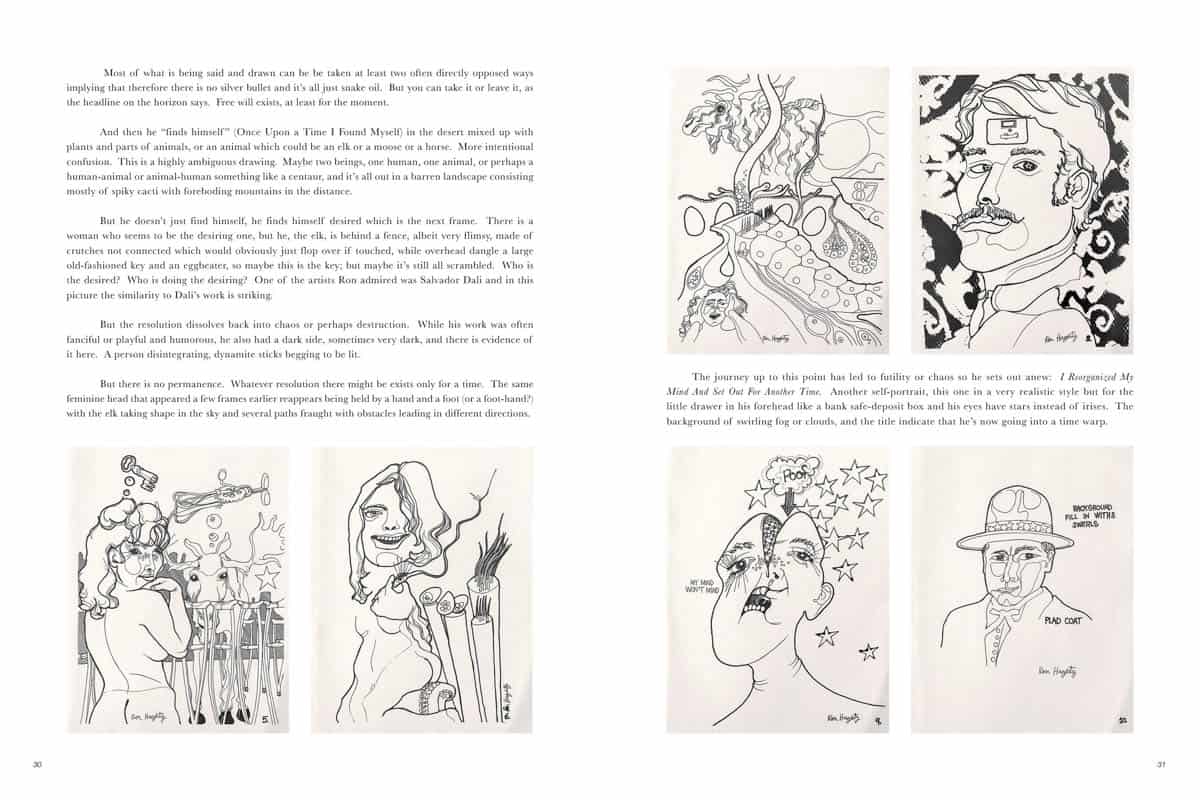
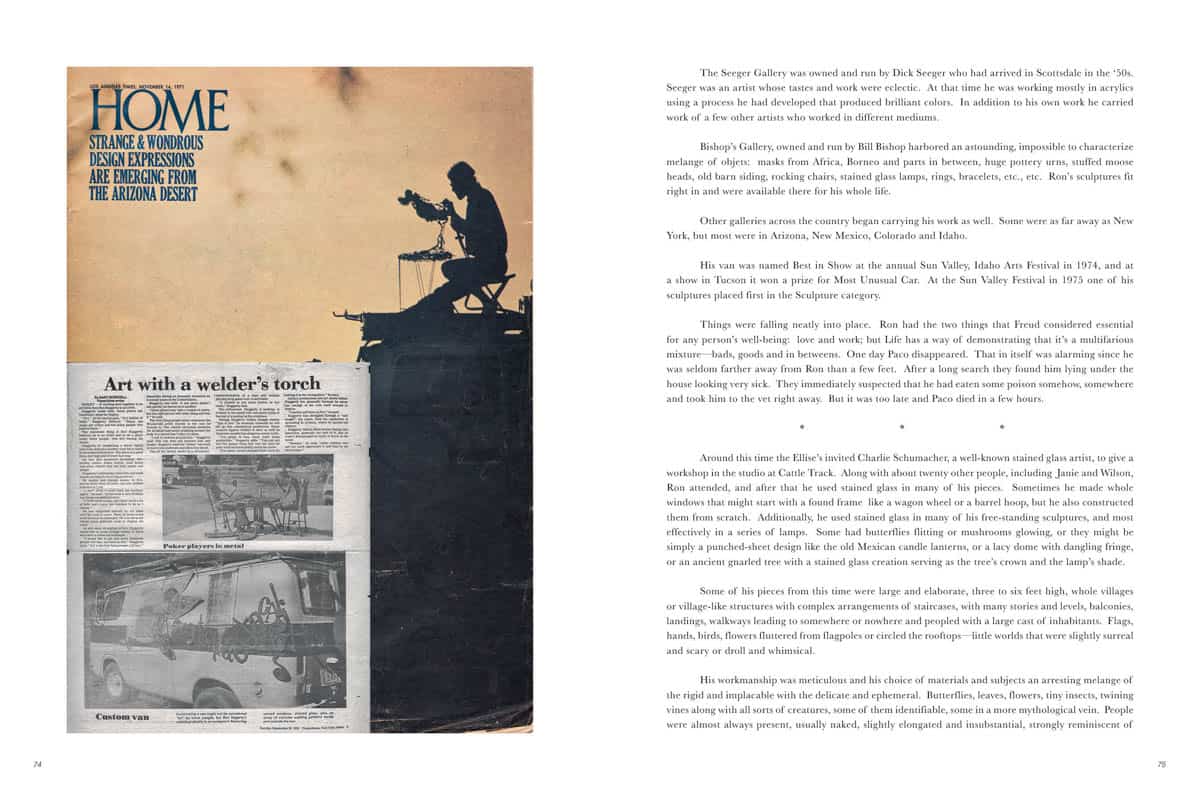
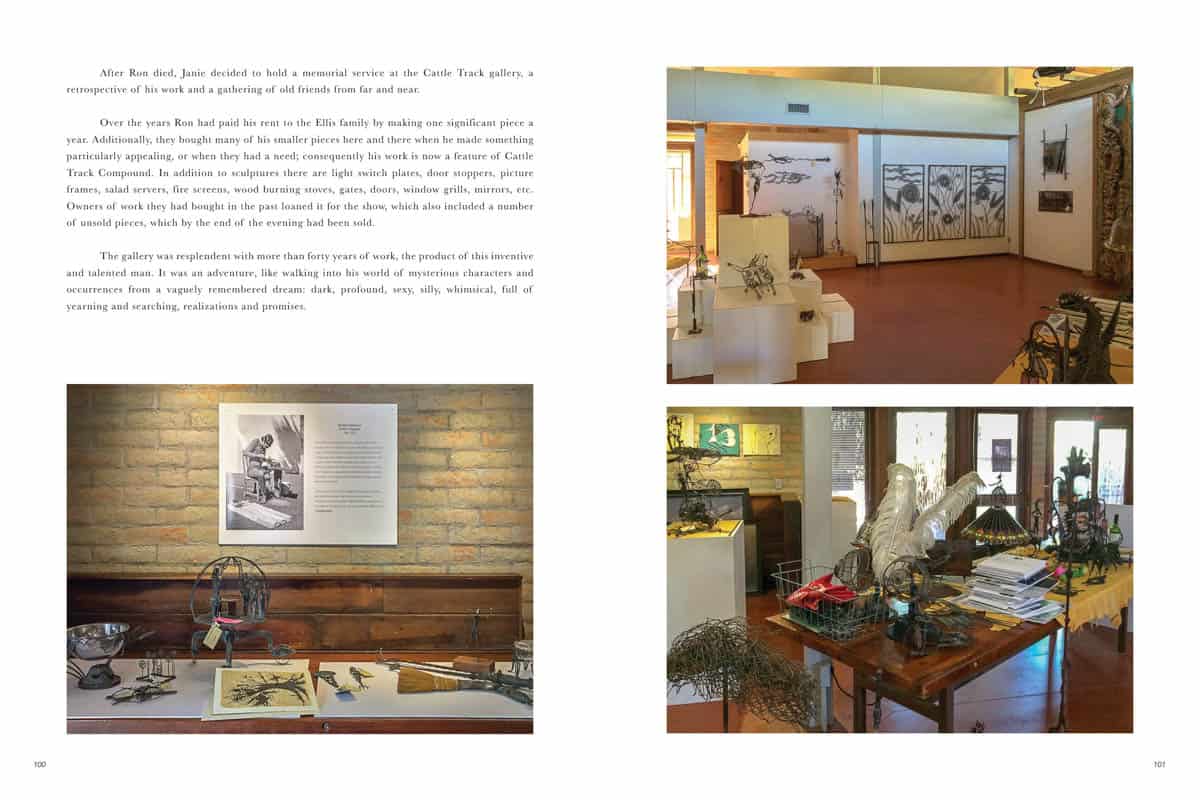
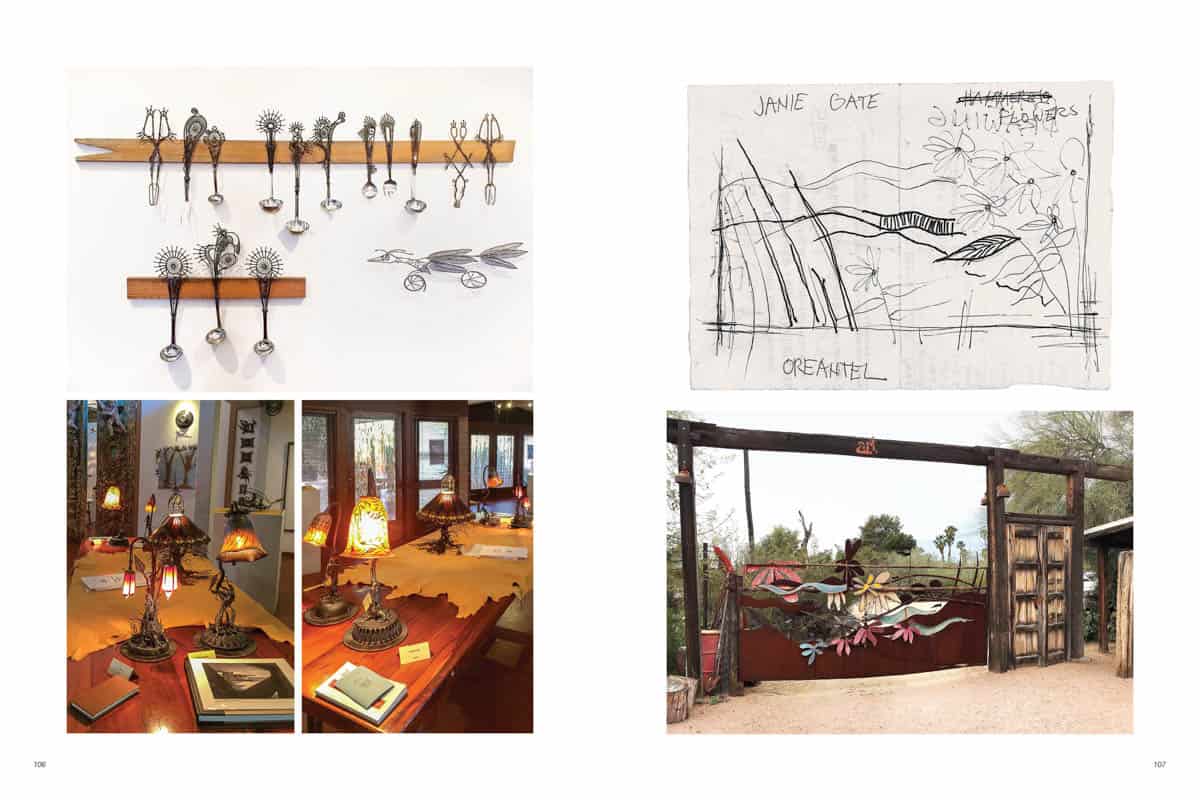
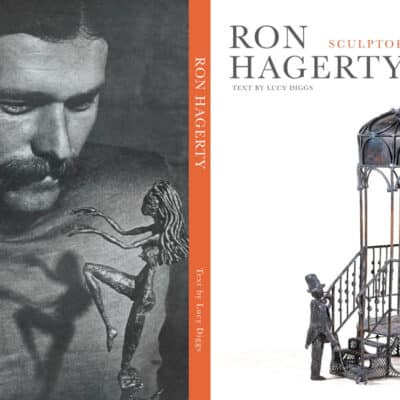
is best known for his extraordinary metal sculptures. In his world, it’s all precarious. Things meant to be useful become ornamental, people are scanty, windblown like dry seedpods whirling in a West wind; boats become fish, an outing to a beach flies off into space, a prisoner on the outside of a prison needs a stamp on his hand to be re-admitted. There’s a wildness, a kookiness, a not-quite-rightness, reversals and ellipses, strange yet somehow familiar flowers and beasts.

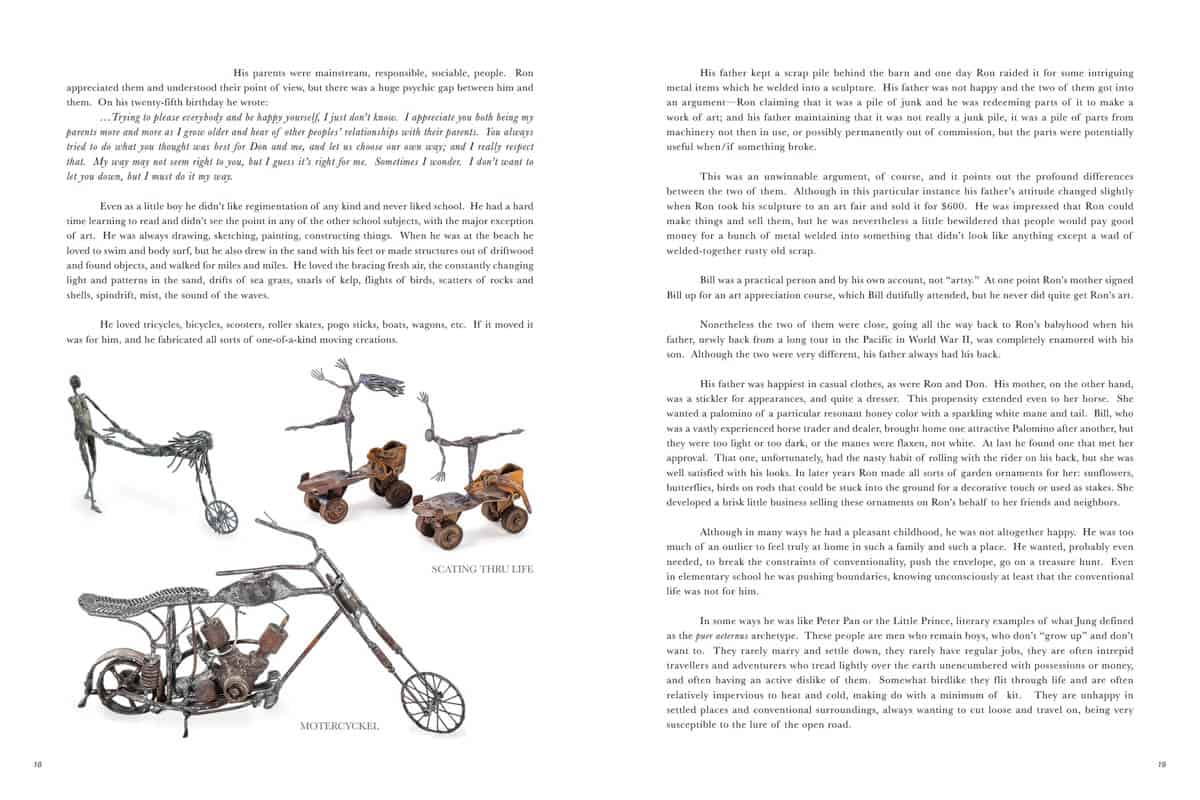
Dancers pose on a pair of rusted roller skates, she in a gravity-defying backbend, her hair flying, arms open and flung out as if to receive the sun, the rain, manna from heaven, he in an arabesque, arms angled as if he’s about to carom off, the both of them wildly out of proportion with the skates.

This is Ron’s world, full of hilarity and excitement, strange visions and thrill-seeking sometimes so high-risk as to become ominous.

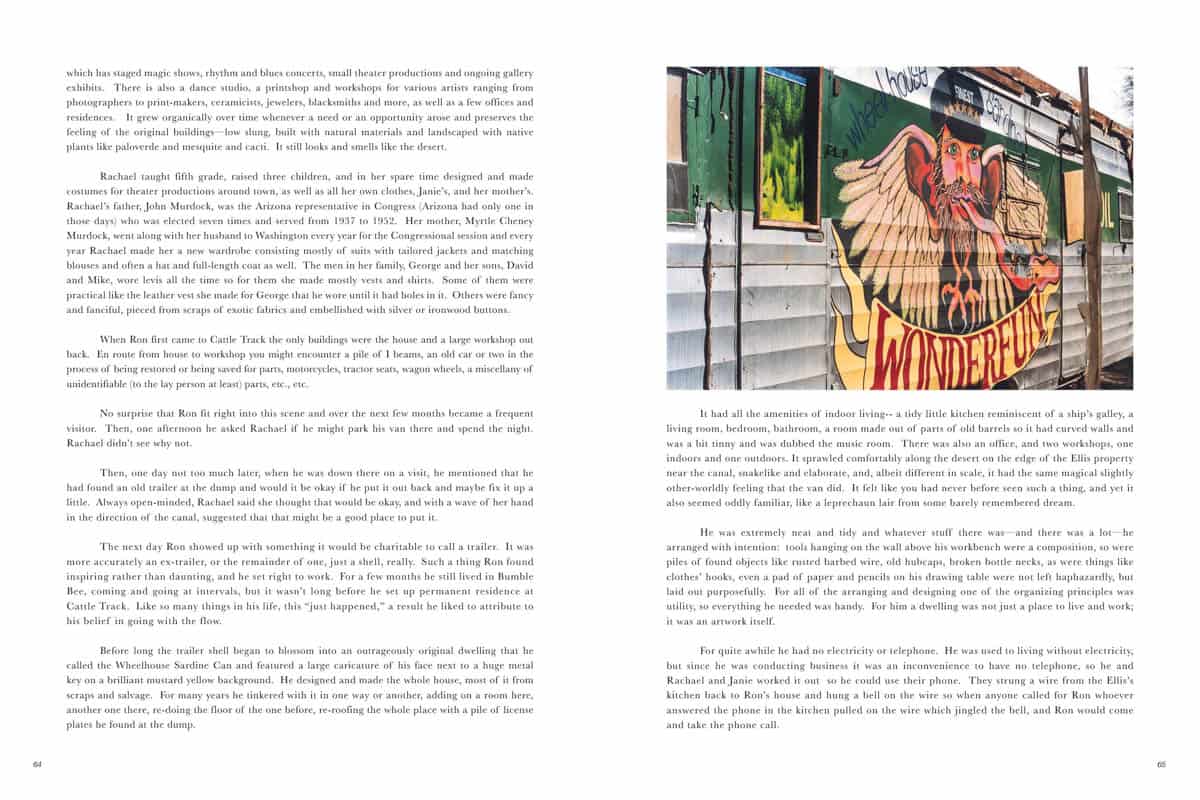
Ron was a born artist, and in first grade he had a hard time learning to read because he didn’t see the point and, being given paper and pencil, did the obvious thing with it. Drawing. But his true calling was three-dimensional work and in his early years he made small structures from driftwood, stone, sticks, and fanciful wheeled contraptions made from old wheelbarrows, scavenged bicycle parts, baling wire, rusted barrel hoops, etc., harbingers of his mature work.

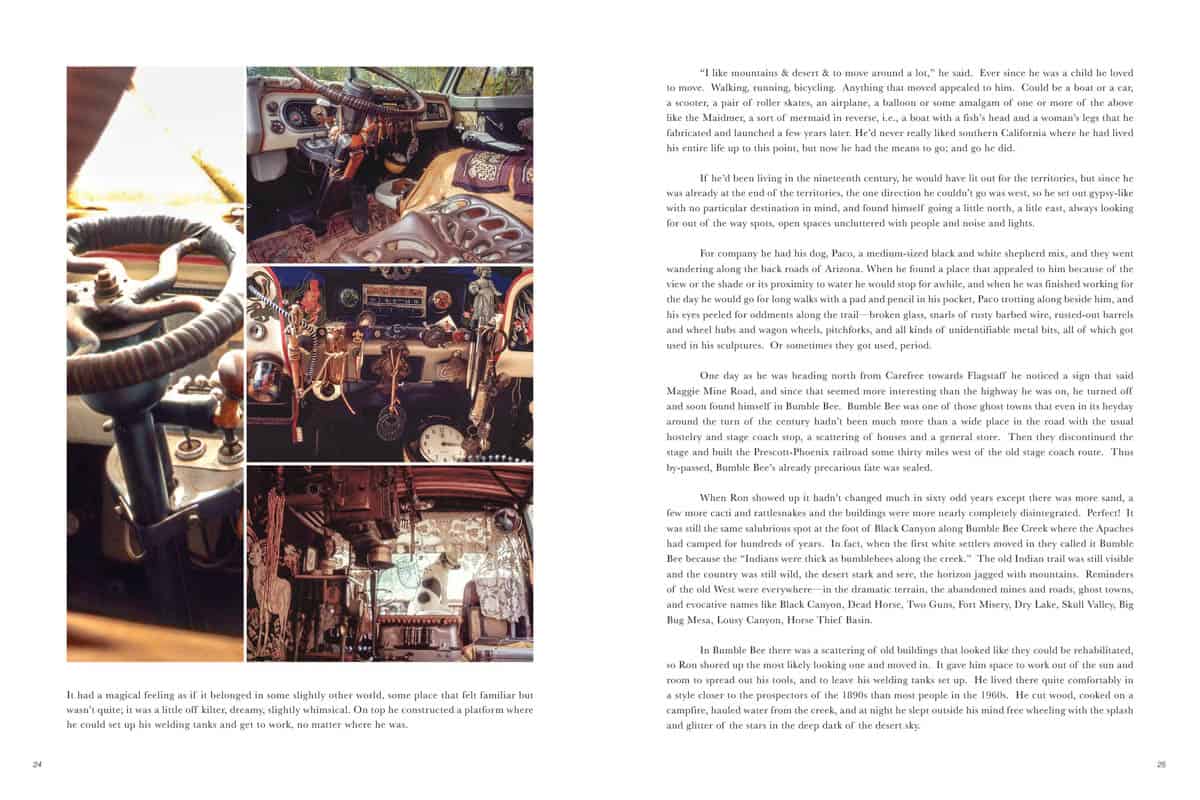
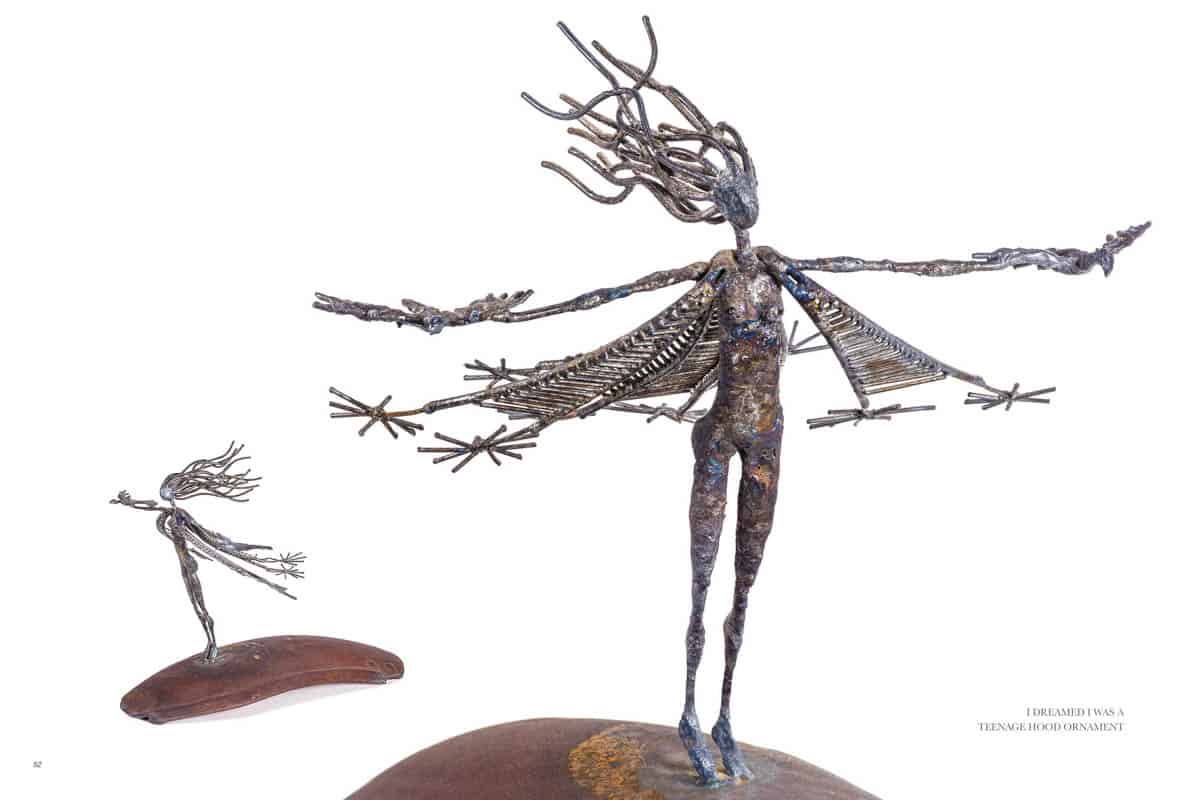
He grew up in southern California in Palos Verde on the beautiful Palos Verde peninsula which in those days was still a wild open country edged with some of the best surfing beaches in California. He attended Woodbury College and Chouinard Art Institute in Los Angeles, then he headed north in a van which was an ordinary Chevy van greatly altered by him to be a three-in-one: road vehicle, cozy little home, and metal-working shop. After some perambulations hither and yon he settled in Arizona and lived for many years at 105 Cattle Track in Scottsdale which today is Cattle Track Compound, a lively arts center that hosts performances, workshops, meetings, gallery exhibits and has artists of various disciplines residing and working there.

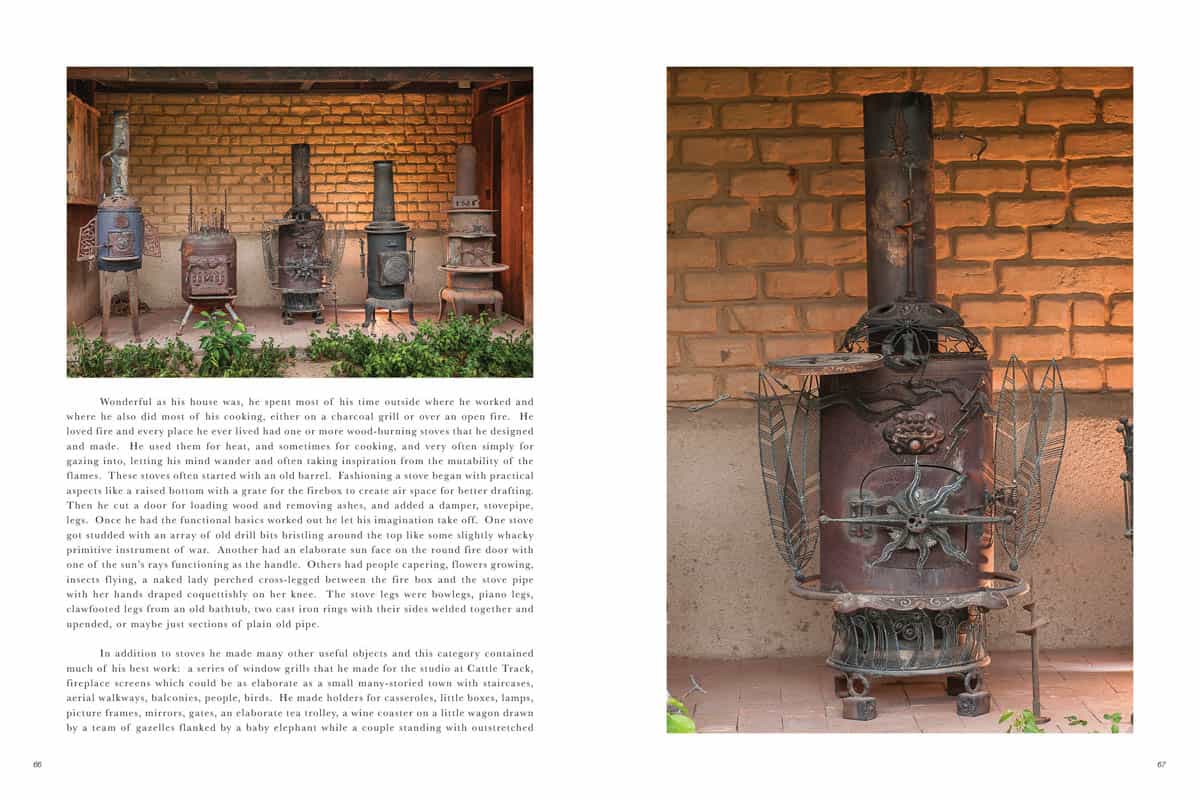
“It ain’t me, it’s them,” he liked to say, neatly encapsulating how far he was from anything ordinary or usual. Accordingly he went his own way and did his own thing; and garnered many accolades. His sculptures are wildly inventive, and a provocative mixture of solid hunks of metal and a welter of fine lines that have a lacy insubstantial quality embodying one of his favorite sayings: “Everything is everything else.”

About the Author

Lucy Diggs

is the author of three books published by Atheneum: two novels for young adults, Everyday Friends and Moon In the Water, and a book for younger children, Selene Goes Home, illustrated by Caldecott Award-winning author-illustrator, Emily Arnold McCully. She has written two previous publications for Cattle Track Press, Old Dyes, New Quilts, and Cattle Track Couture.

When she is not writing she is working in her organic garden or playing tennis. Additionally, she creates with fabric, dyeing organic cotton cloth using all-natural dyes which she then makes into quilts, and wearable art.

She lives in the country near Healdsburg, California.

Published by Cattle Track Arts & Preservation
112 pages –  Available in softcover

Southwest Rising

Southwest Rising

Southwest Rising

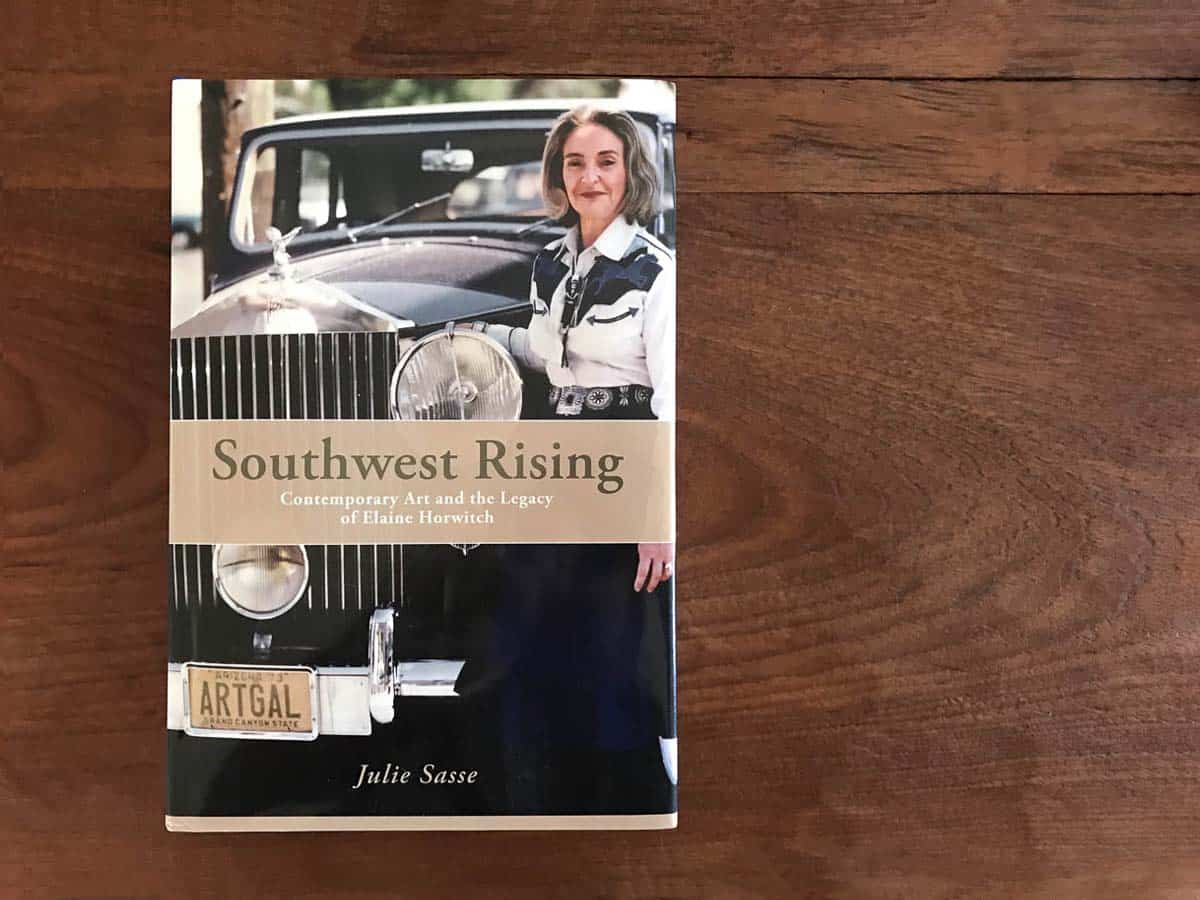
Southwest Rising: Contemporary Art and the Legacy of Elaine Horwitch
Dr. Julie Sasse, Chief Curator at Tucson Museum of Art and Historic Block

A new book by Dr. Julie Sasse, Chief Curator at Tucson Museum of Art and Historic Block, celebrates one of the most powerful and influential art dealers in Arizona and New Mexico art history. Southwest Rising: Contemporary Art and the Legacy of Elaine Horwitch, co-published by Cattle Track Arts & Preservation and Tucson Museum of Art.

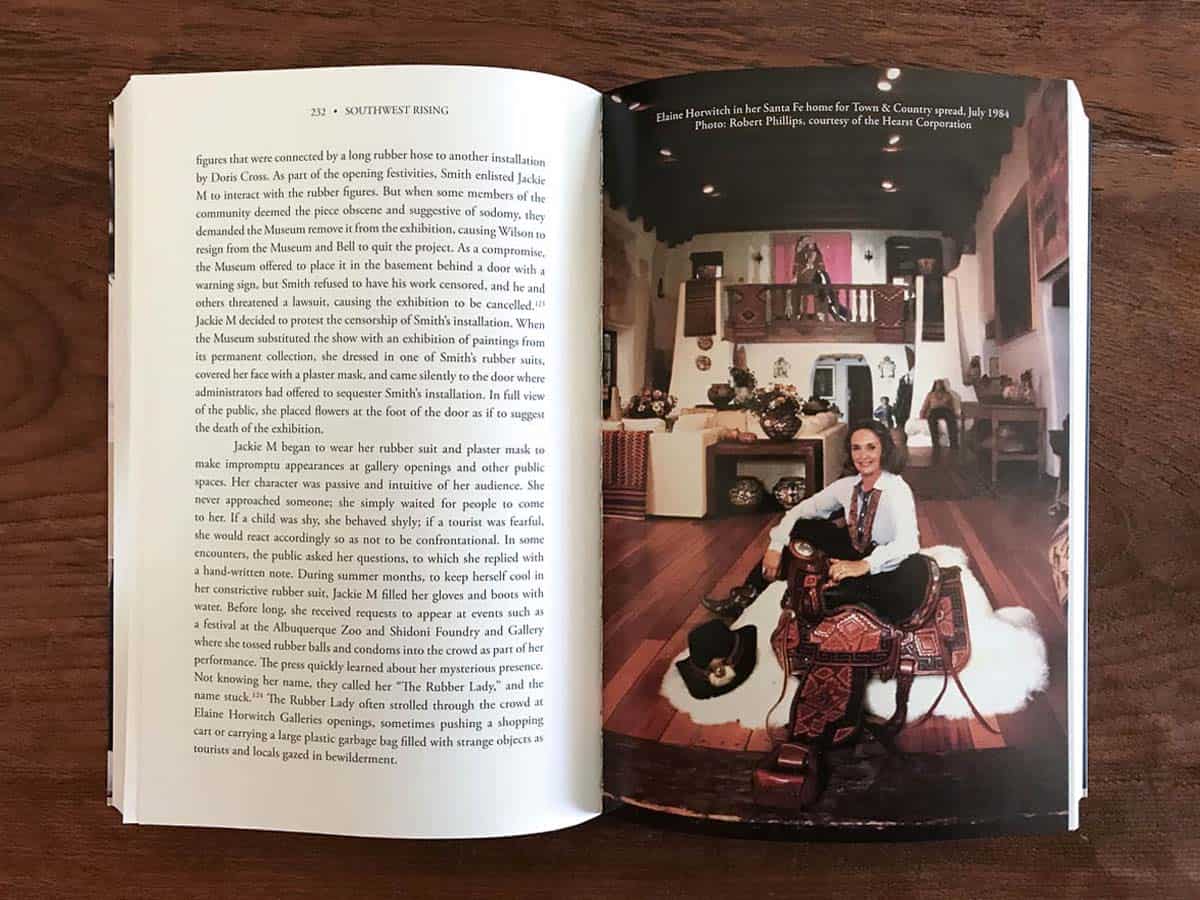
Elaine Horwitch was a major force in contemporary art in the Southwest from the late 1960s until her death in 1991. She was responsible for launching the careers of hundreds of artists from the Southwest and the nation.

With a spotlight on Horwitch’s colorful life, galleries, and artists, this book surveys art in Arizona and New Mexico from the middle of the nineteenth century through the early 1990s, revealing the artistic journeys and accomplishments of hundreds of artists, gallerists, and art professionals who contributed to the Southwest’s rich cultural heritage. Written by Julie Sasse, who worked at Elaine Horwitch Galleries for fourteen years, Southwest Rising is a combination of biography, memoir, and art historical overview of the arts and the rise of contemporary art in Arizona and New Mexico.

About the Author

Julie Sasse is the author of more than forty published art books, exhibition catalogs, and essays, including James Havard (Hudson Hills Press, 2006), Trouble in Paradise: Examining Discord Between Nature and Society (Tucson Museum of Art, 2008), Contemporary Art of the Southwest (Schiffer, 2012), and The Art of MF Cardamone (Pomegranate Press, 2016). Dr. Sasse is the chief curator at the Tucson Museum of Art, where she has organized more than 100 solo and group exhibitions of regional, national, and international artists.
Also available for purchase through Tucson Museum of Art

Co-published by Cattle Track Arts & Preservation and Tucson Museum of Art 
559 pages –  9x2x6 in – 4.5lbs – Available in hardcover or paperback

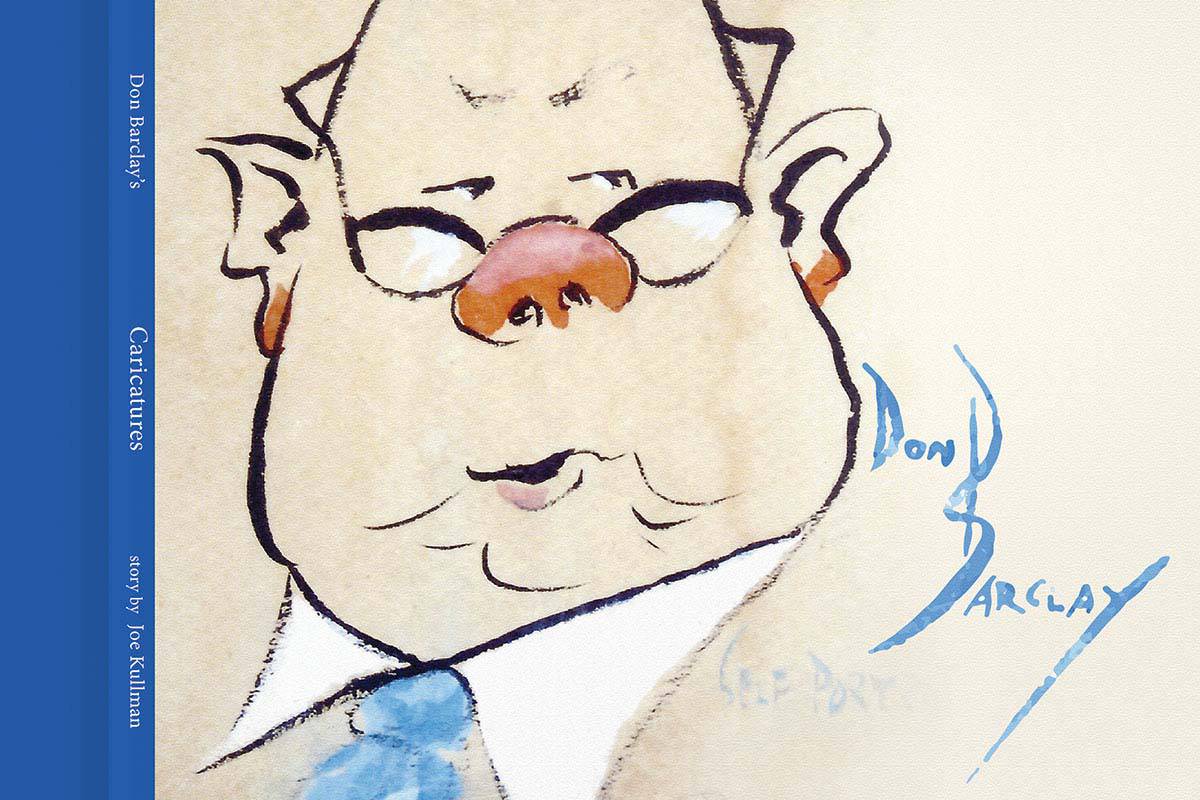
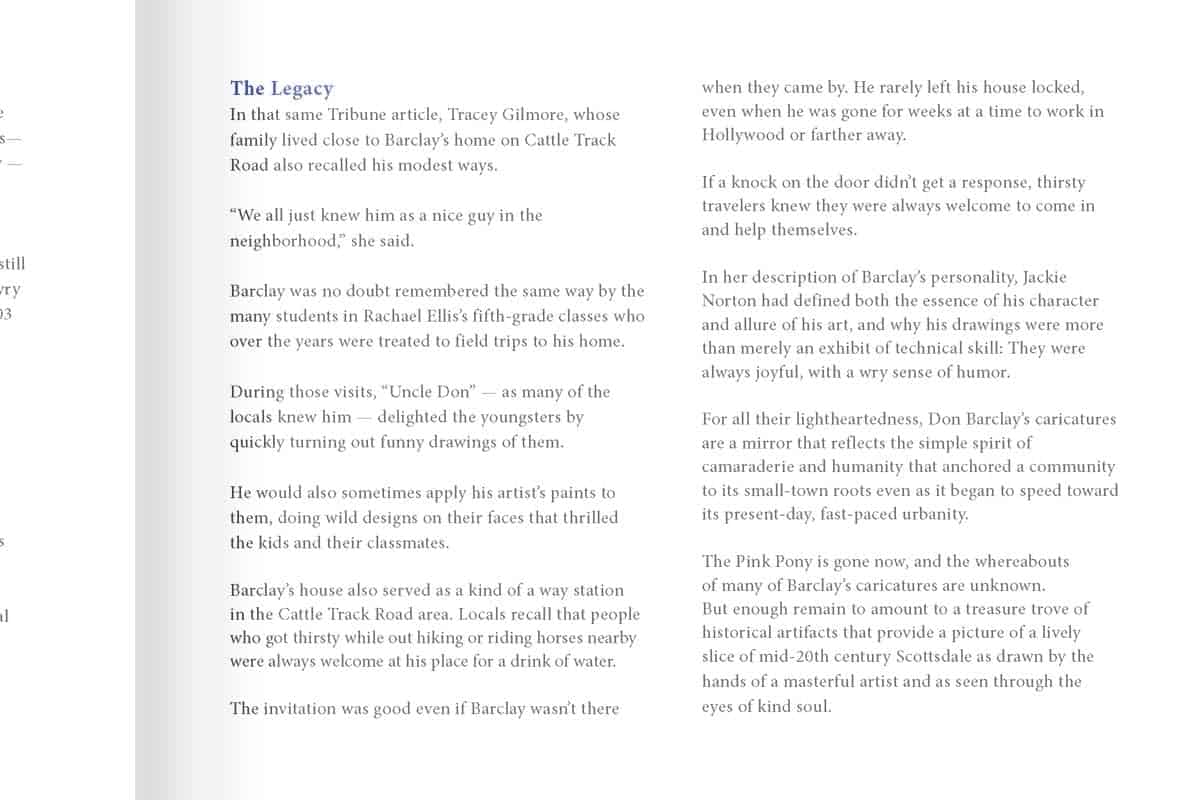
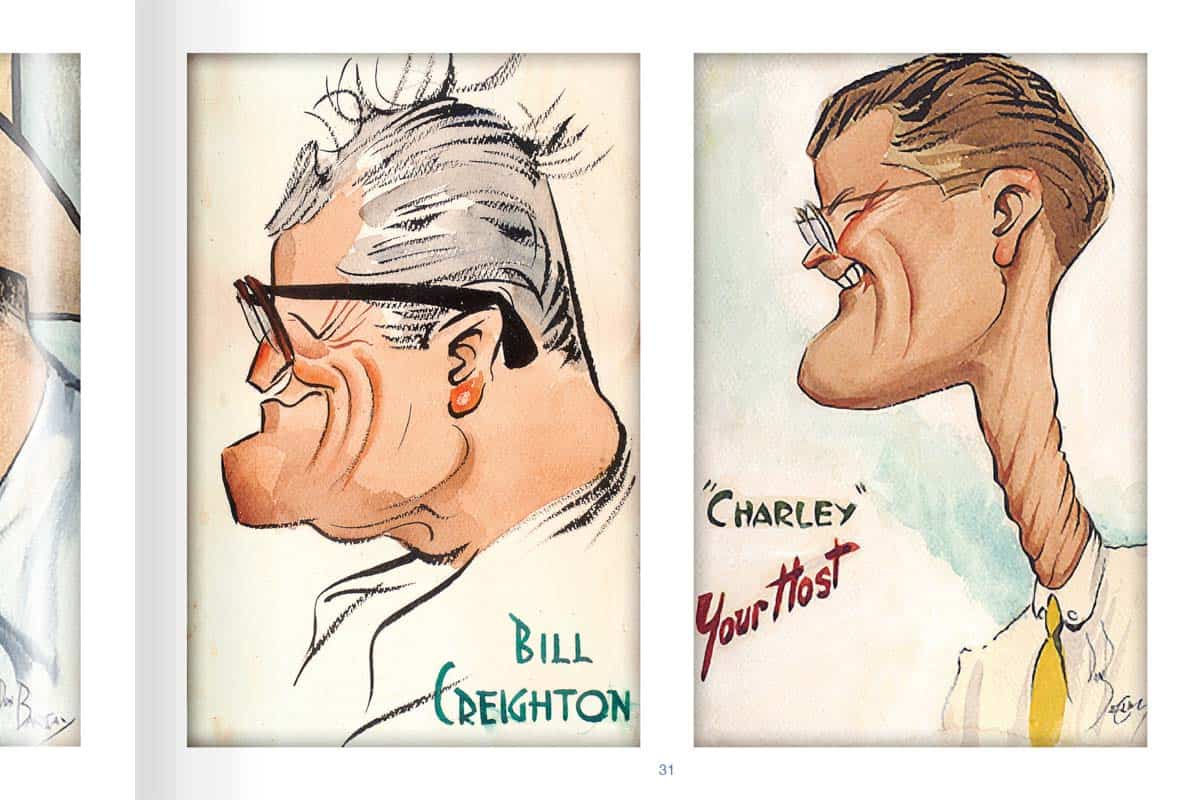
Don Barclay’s Caricatures

Don Barclay’s Caricatures

Don Barclay’s Caricatures

Don Barclay’s Caricatures
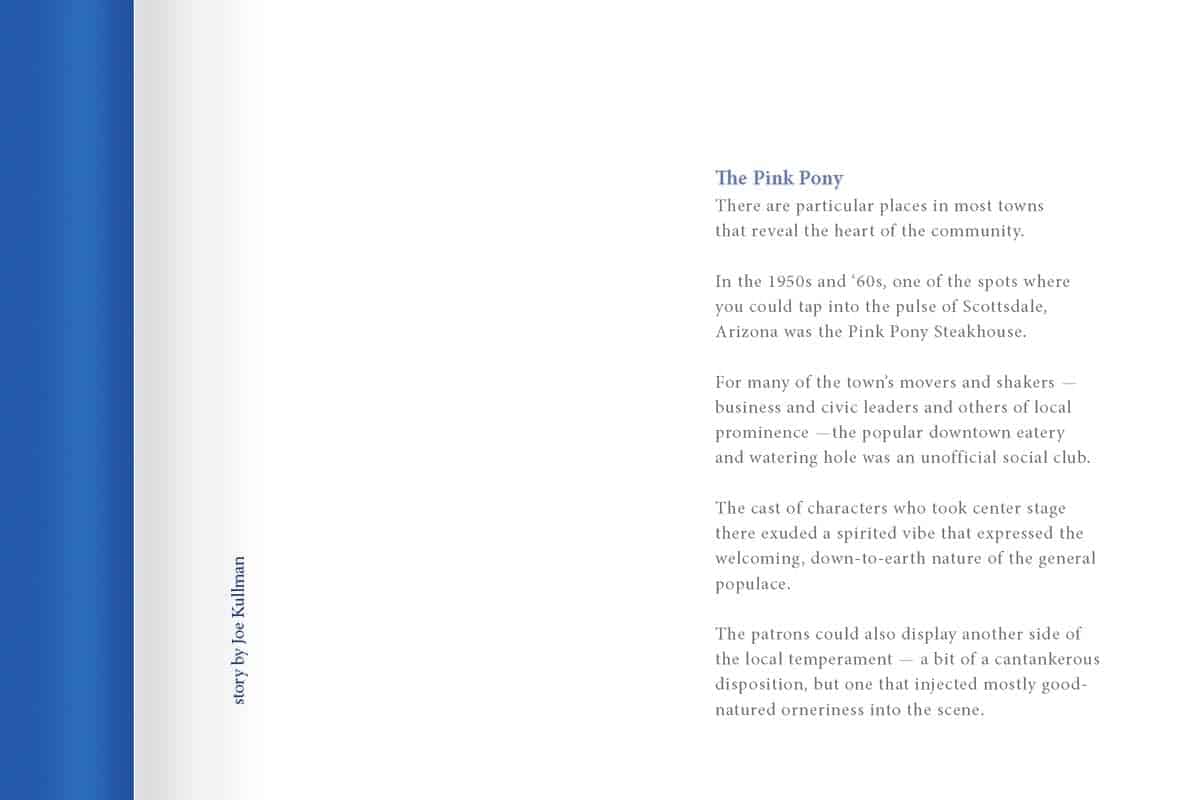
story by Joe Kullman

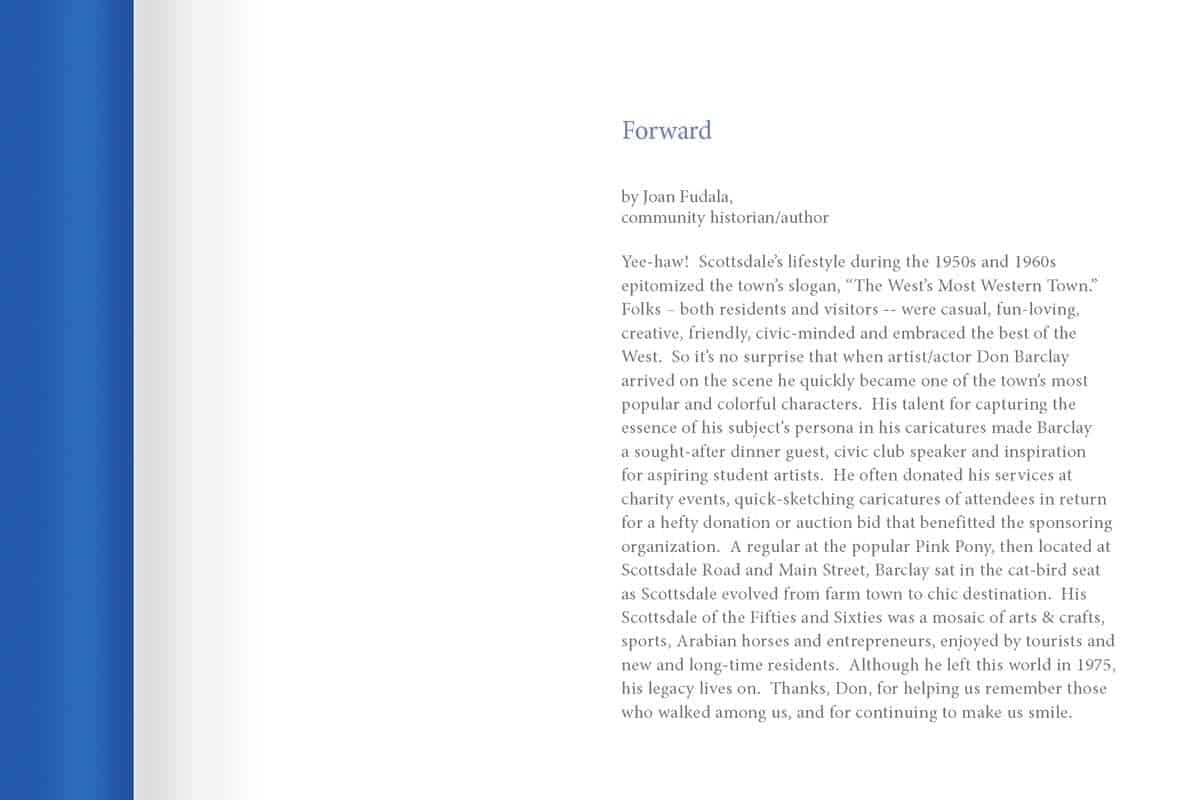
Yee-haw! Scottsdale’s lifestyle during the 1950s and 1960s epitomized the town’s slogan, “The West’s Most Western Town.”

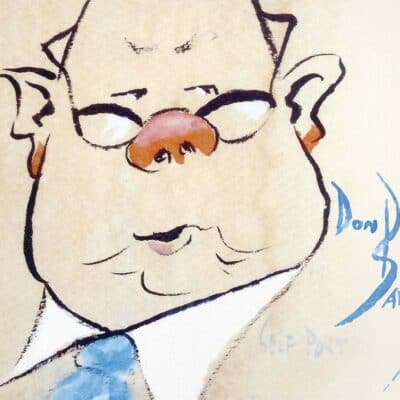
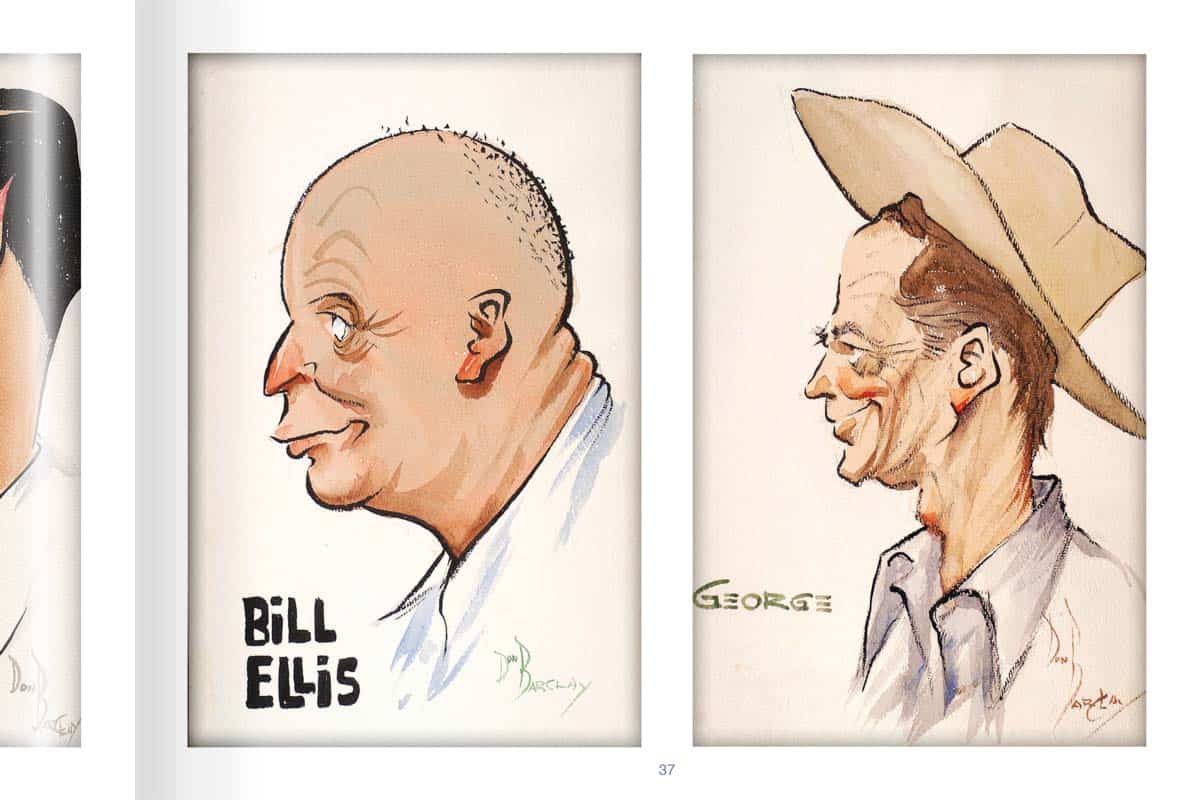
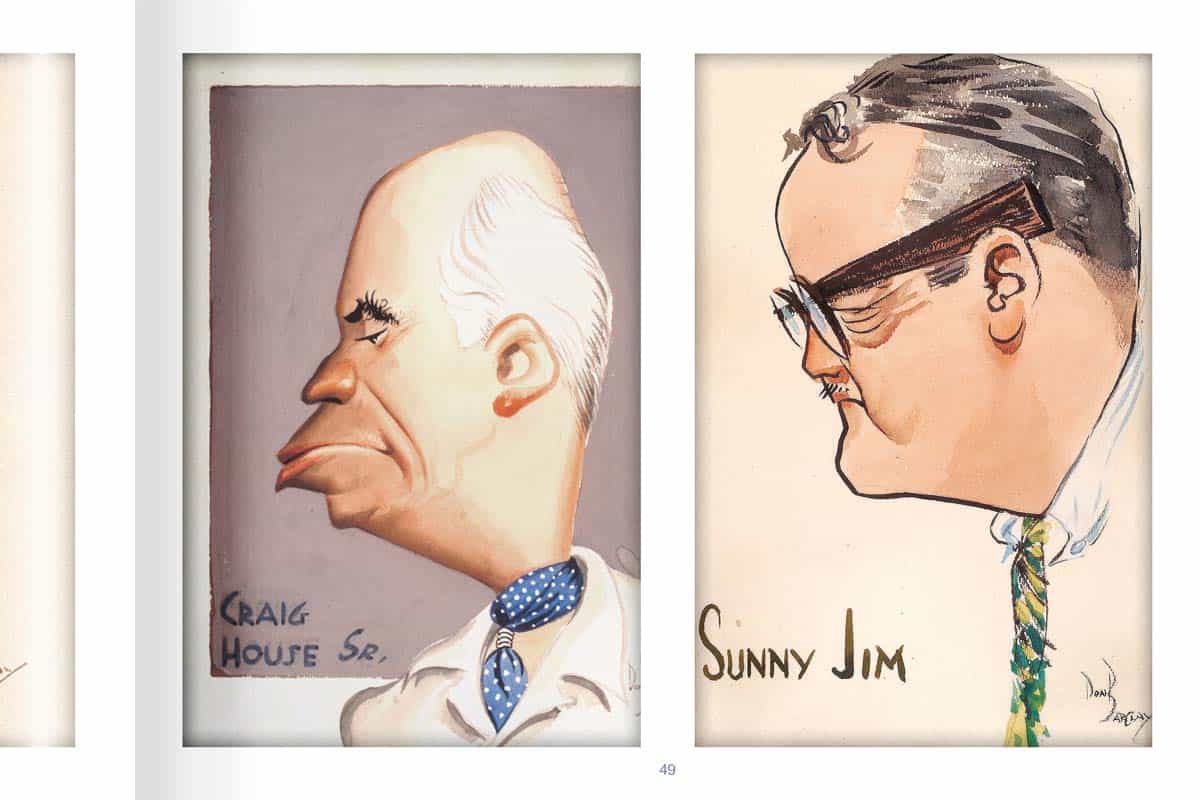
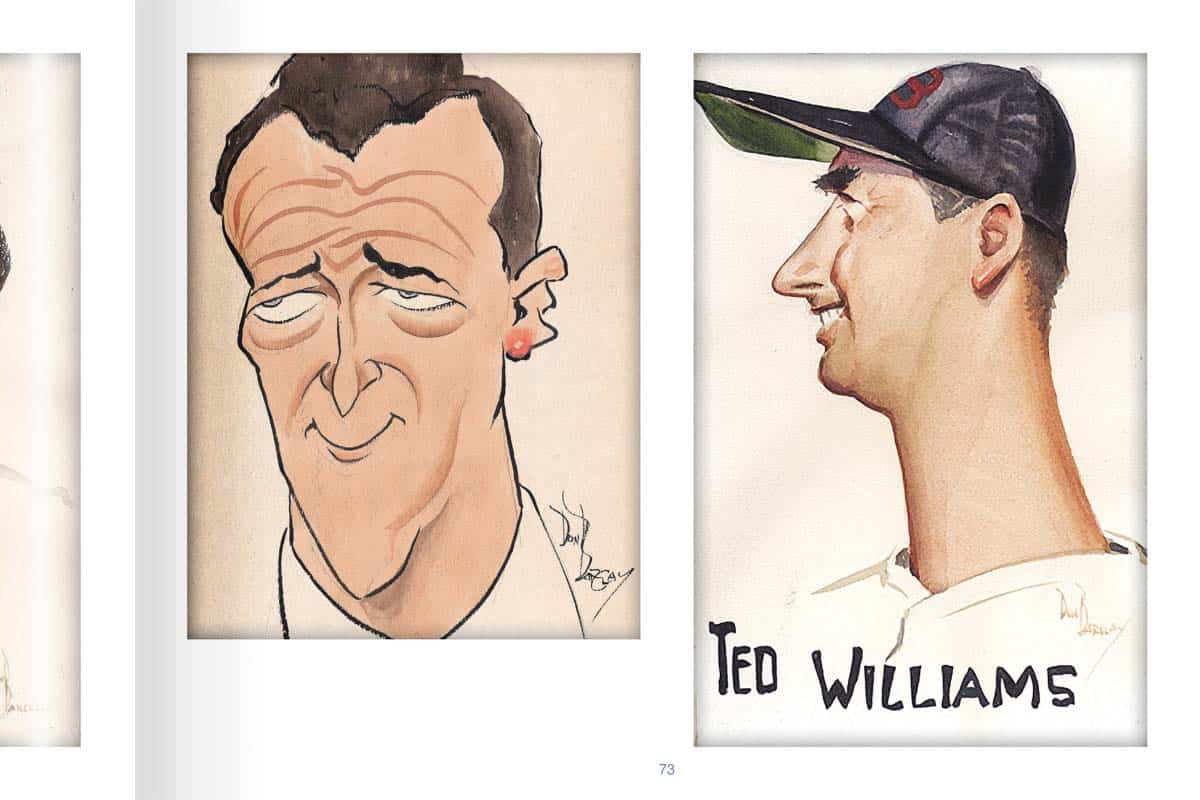
Folks – both residents and visitors — were casual, fun-loving, creative, friendly, civic-minded and embraced the best of the West. So it’s no surprise that when artist/actor Don Barclay arrived on the scene he quickly became one of the town’s most popular and colorful characters. His talent for capturing the essence of his subject’s persona in his caricatures made Barclay a sought-after dinner guest, civic club speaker and inspiration for aspiring student artists. He often donated his services at charity events, quick-sketching caricatures of attendees in return for a hefty donation or auction bid that benefitted the sponsoring organization. A regular at the popular Pink Pony, then located at Scottsdale Road and Main Street, Barclay sat in the cat-bird seat
as Scottsdale evolved from farm town to chic destination. His Scottsdale of the Fifties and Sixties was a mosaic of arts & crafts, sports, Arabian horses and entrepreneurs, enjoyed by tourists and
new and long-time residents. Although he left this world in 1975, his legacy lives on. Thanks, Don, for helping us remember those who walked among us, and for continuing to make us smile.

-by Joan Fudala,
community historian/author

Cattle Track Arts & Preservation 2018
Printed by Artisan Colour, Scottsdale, Arizona
Binding by KDC Bindery Services, Tempe, Arizona
49 pages Softcover

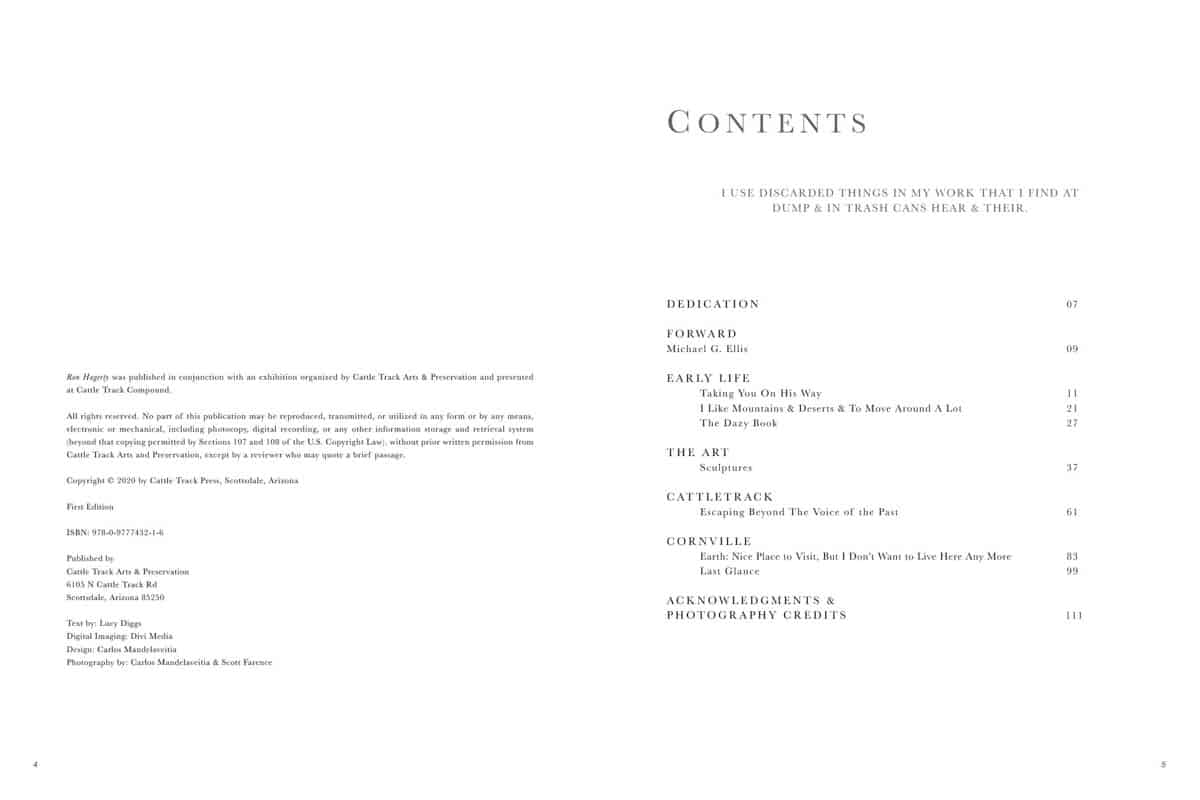
ISBN: 978-0-9777432-1-6

Robert Rauschenberg Foundation Logo
“This project was supported in part by funding received from the
Robert Rauschenberg Foundation.”

CattleTrack Couture

CattleTrack Couture

CattleTrack Couture

CattleTrack Couture
Fashion by Rachael Ellis

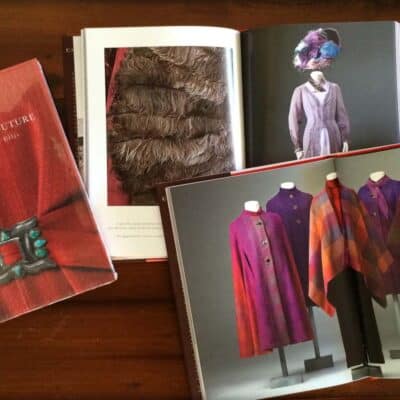
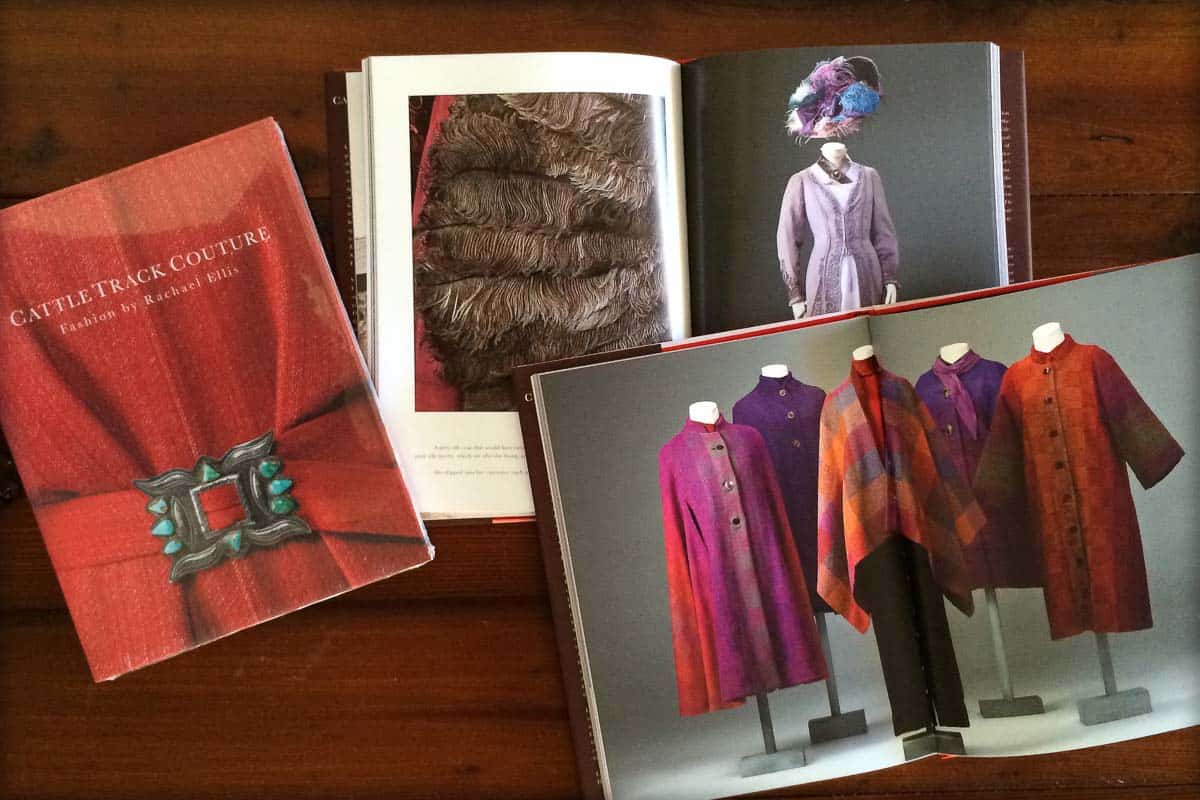
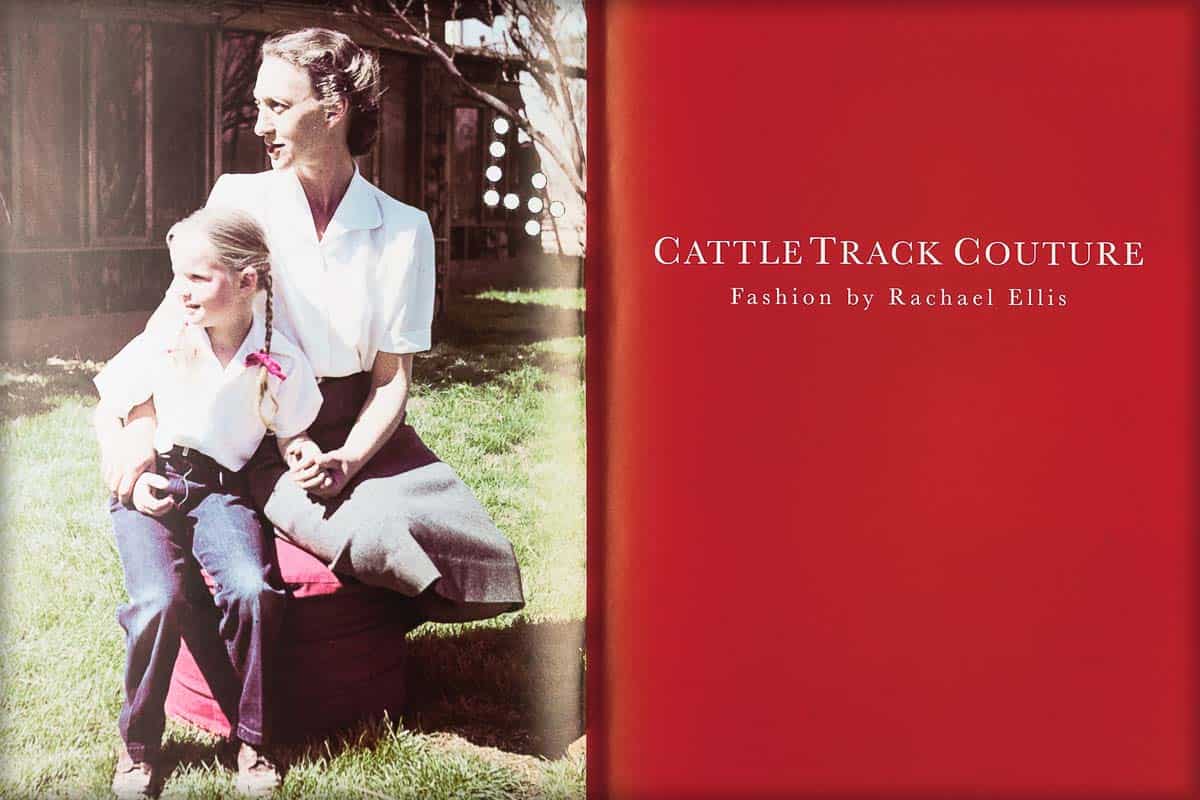
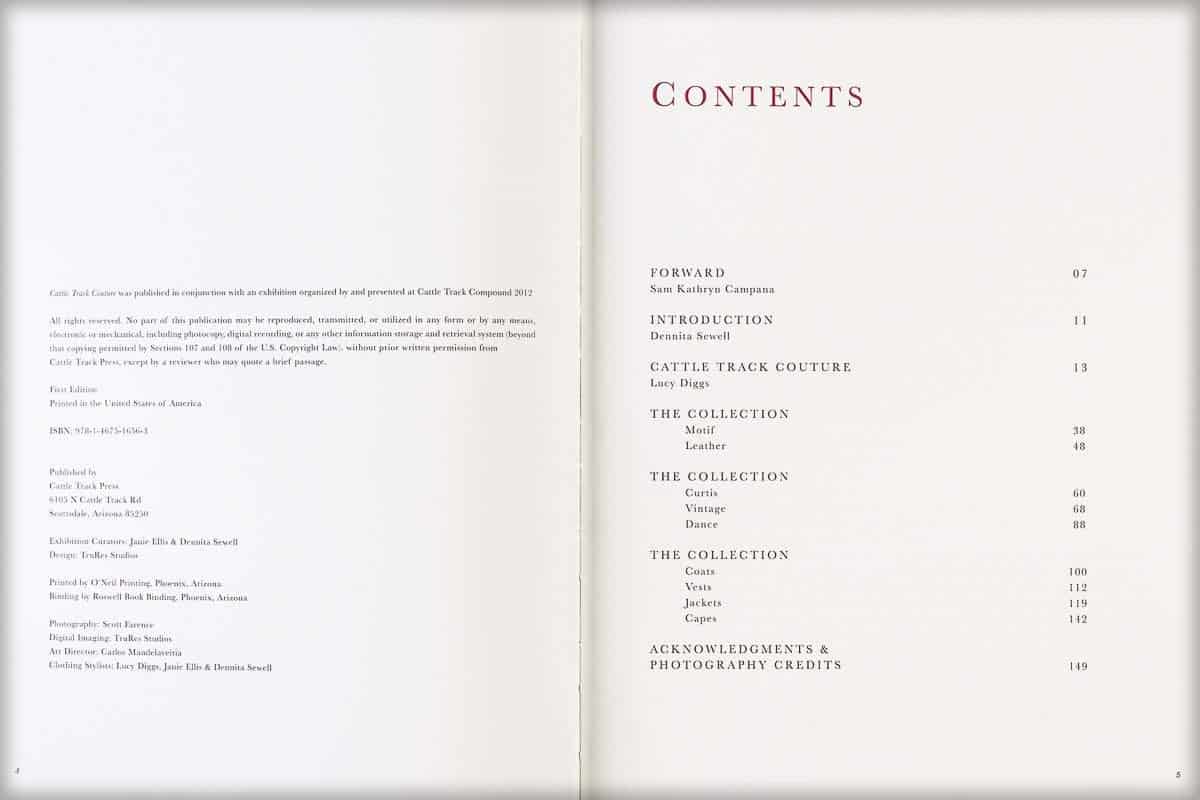
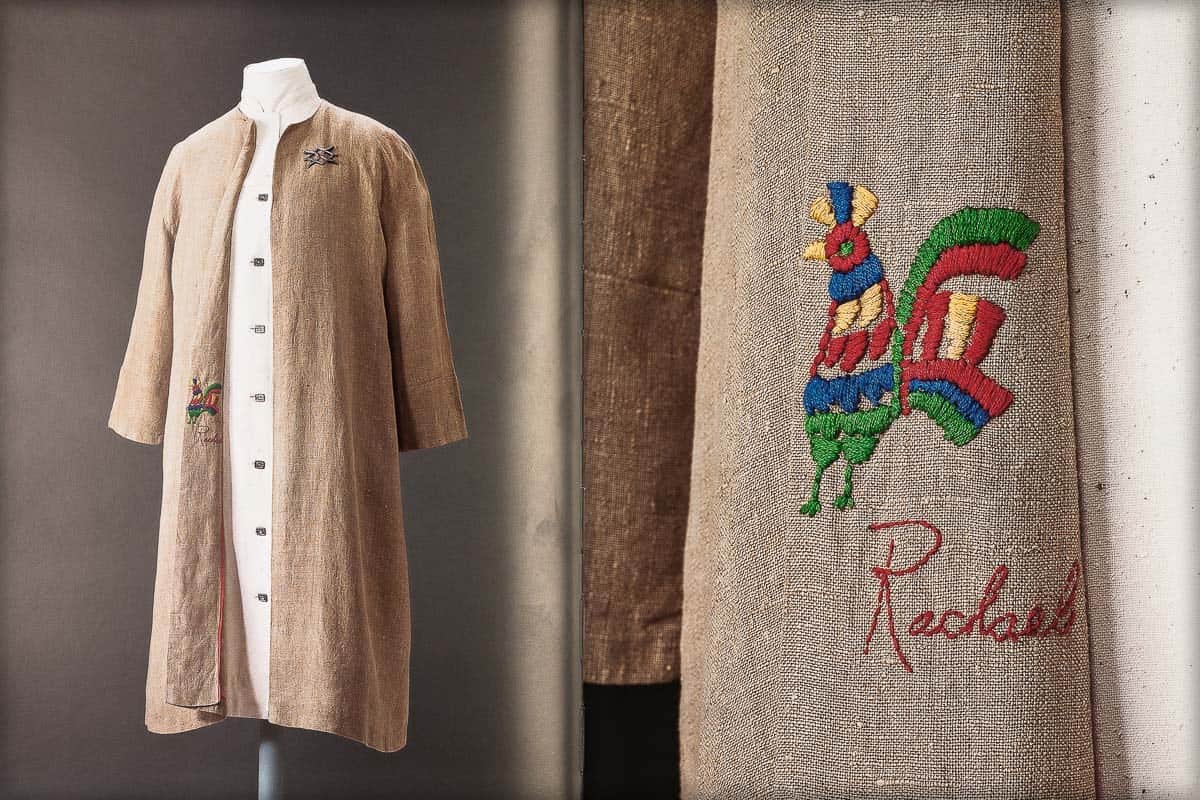
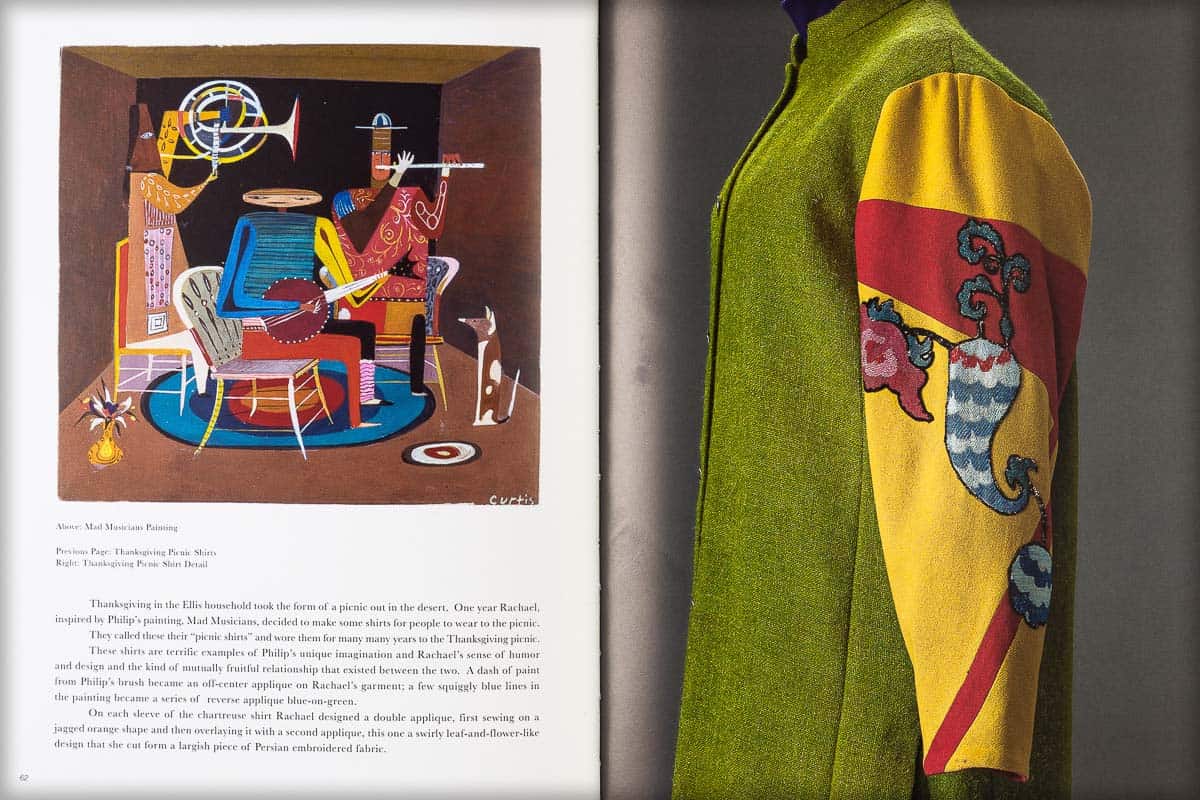
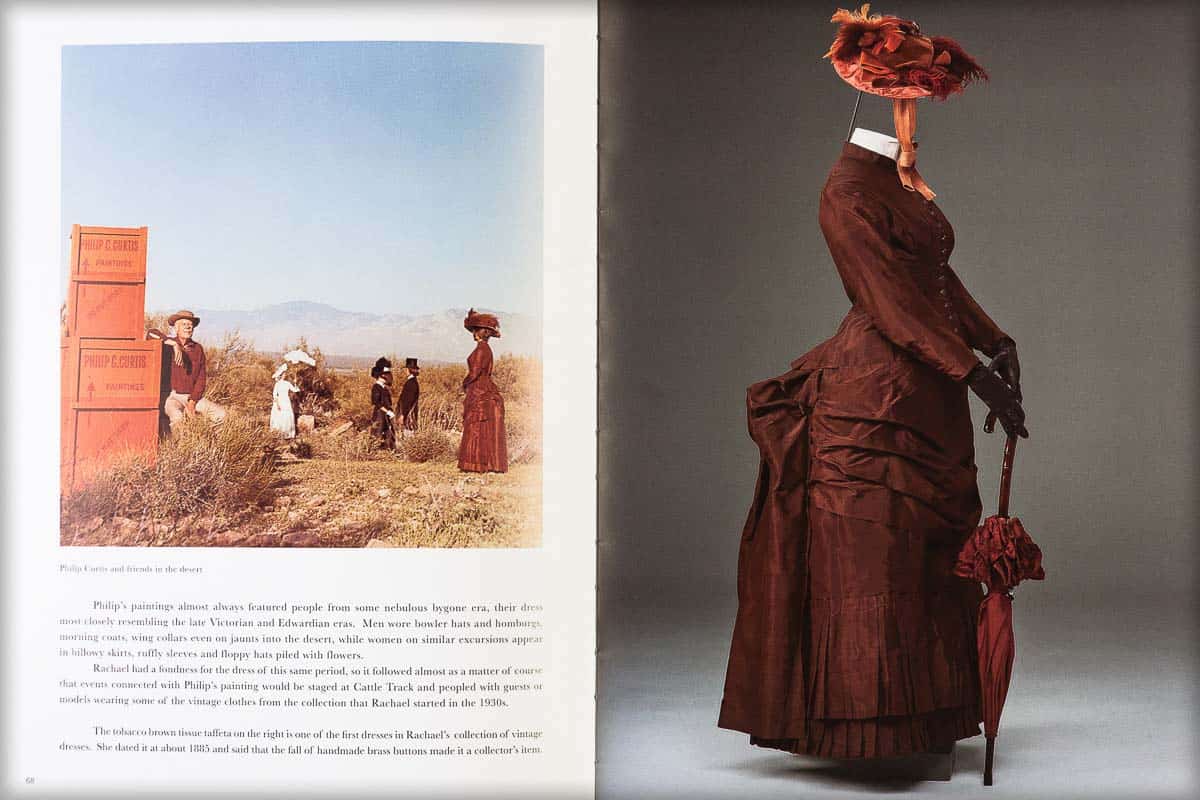
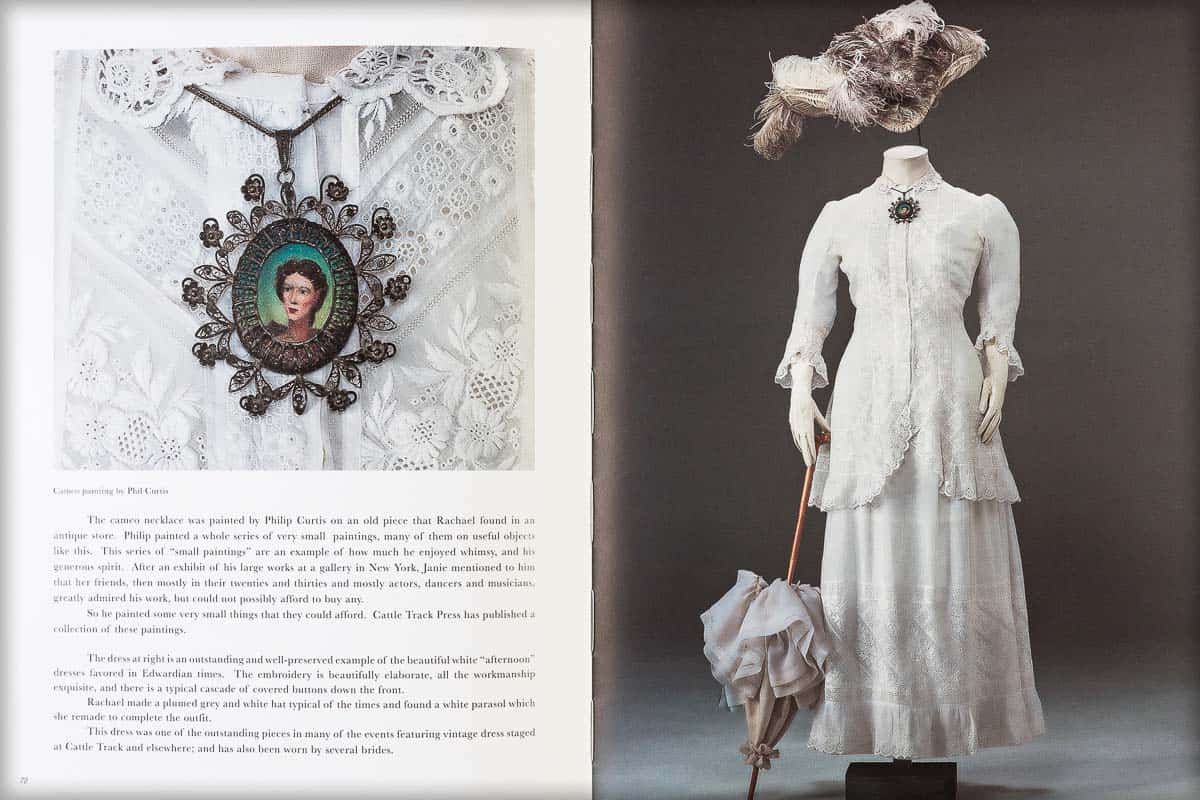
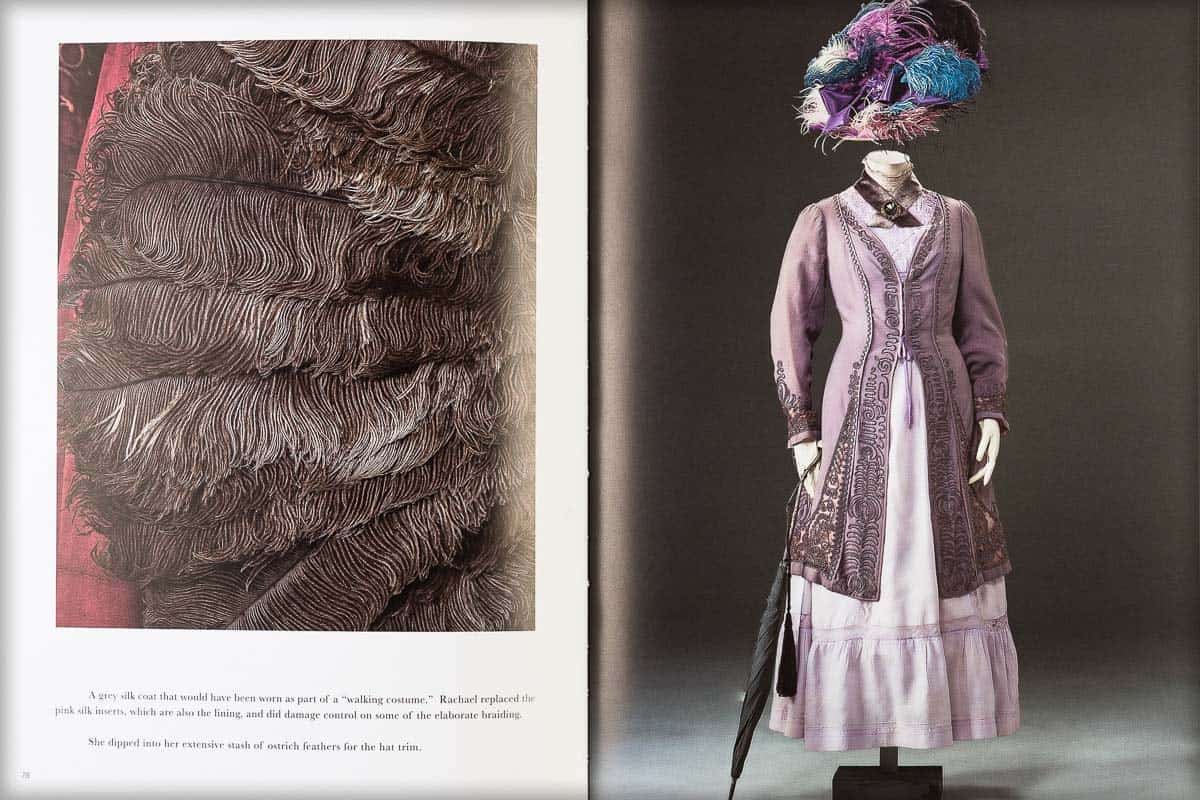
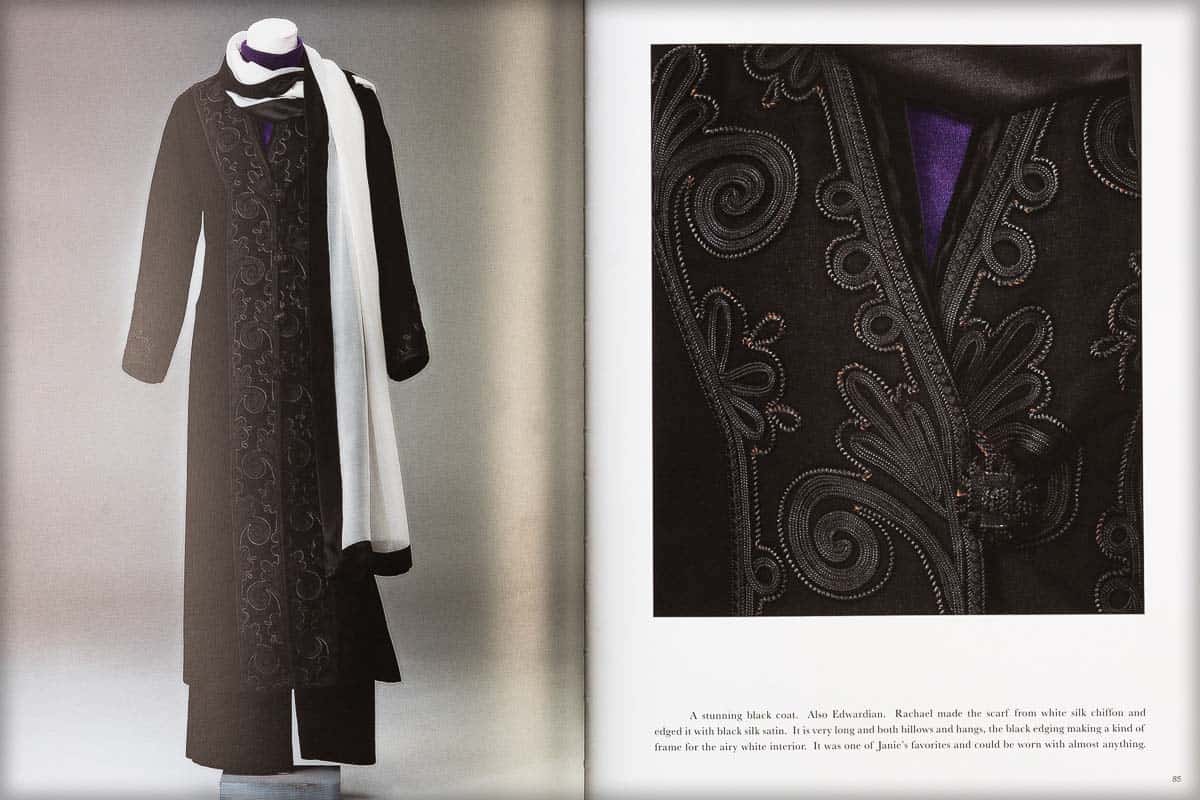
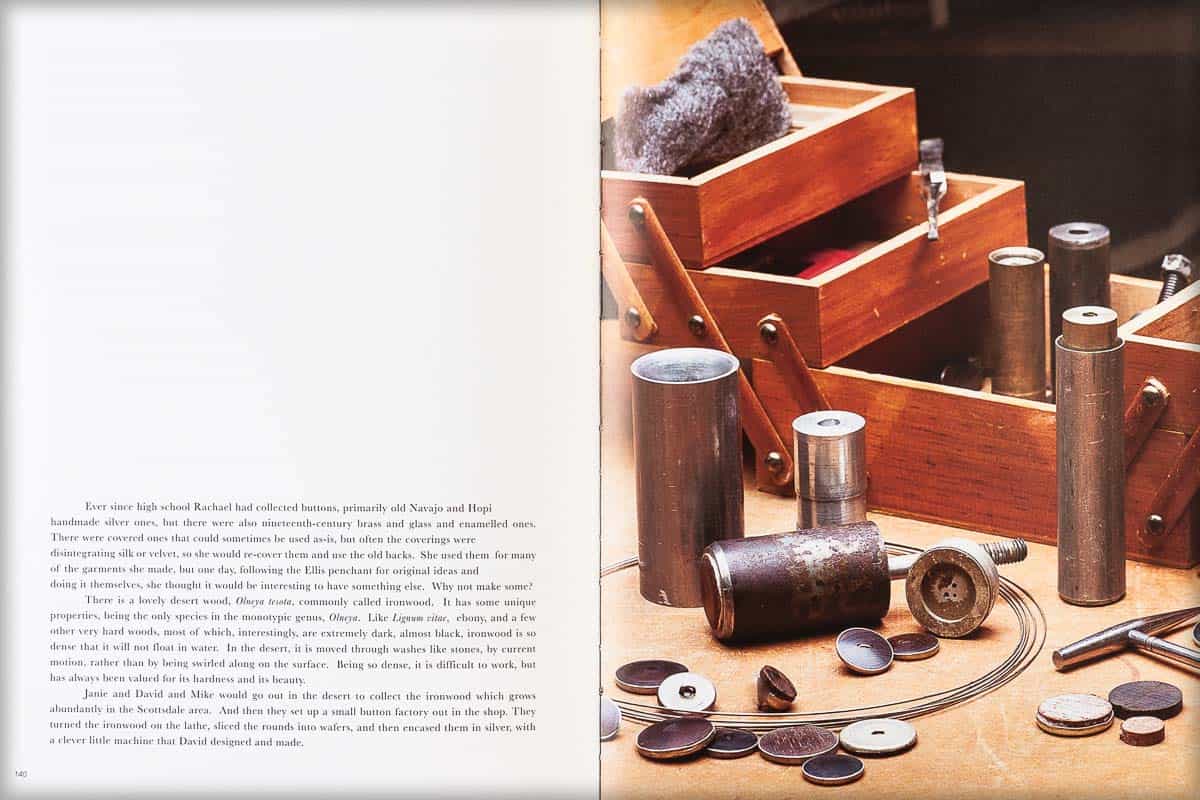
As the second collaboration with Janie Ellis at Cattle Track, Lucy Diggs brings alive the life and times of the Ellis Family and early Scottsdale. Through photographs, stories and the vision, creativity and skills of Rachael Ellis, fashion and utilizing material on hand are the seeds of this beautiful book. Dennita Sewell, Curator of Fashion Design at Phoenix Art Museum and Janie Ellis, daughter of Rachael and George Ellis, have created a tribute to the art, the life and the accomplishments of a true pioneer woman.

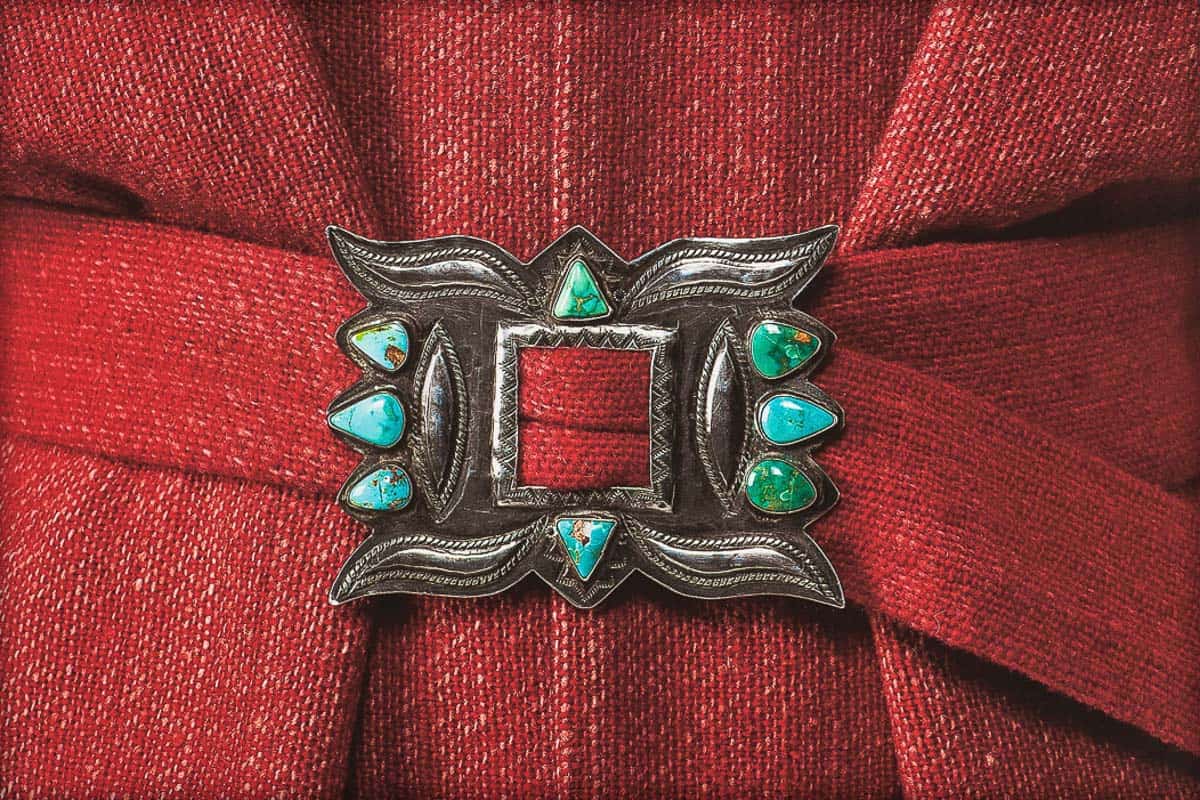
Filled with the photographs of the stunning creations, complemented by details of the fine handwork, Rachael’s resourcefulness, creativity and skills were the fountain from which we can now witness this collection of her work and her life.

Cattle Track Press 2012
Printed by O’Neil Printing, Phoenix, Arizona
Binding by Roswell Book Binding, Phoenix, Arizona
150 pages Hardbound
Published in conjunction with and exhibition organized and presented at Cattle Track Compound

Robert Rauschenberg Foundation Logo
“This project was supported in part by funding received from the
Robert Rauschenberg Foundation.”

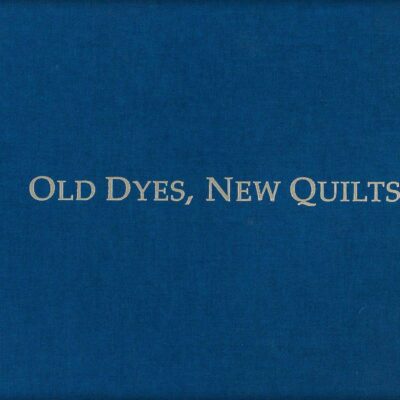
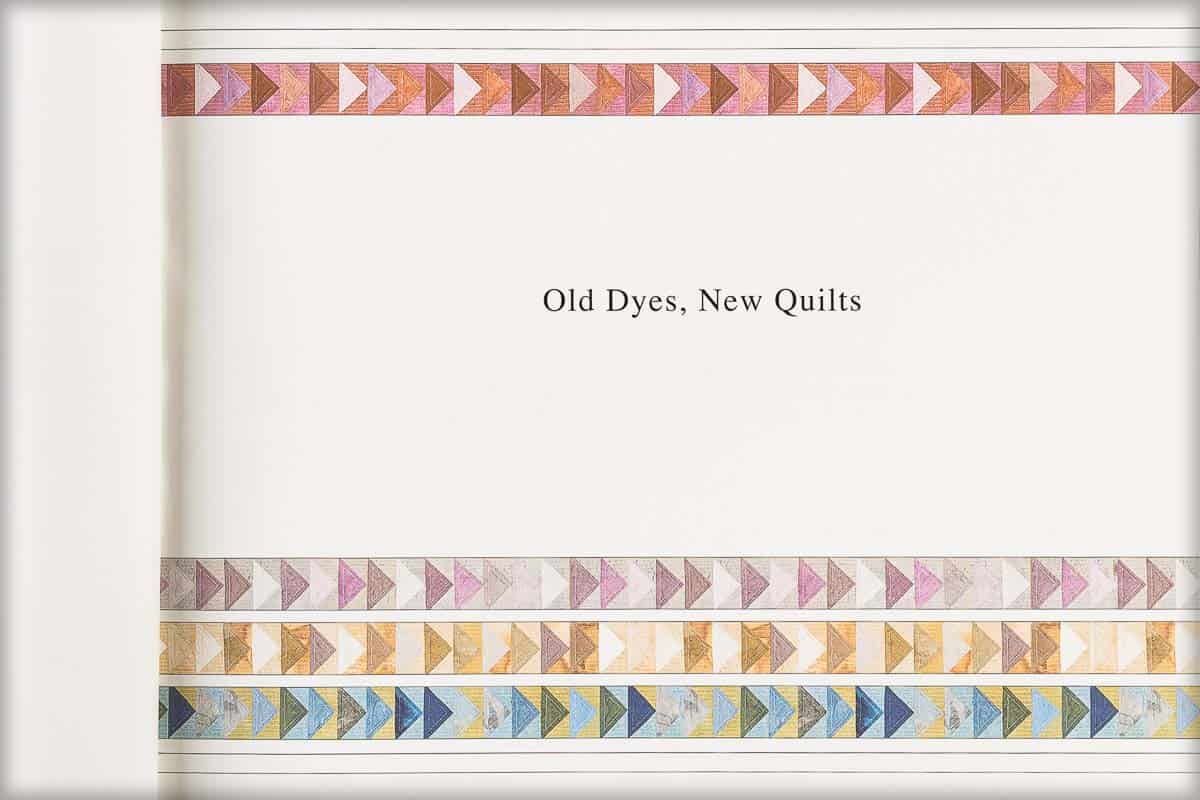
Old Dyes, New Quilts

Old Dyes, New Quilts

Old Dyes, New Quilts
by Lucy Diggs

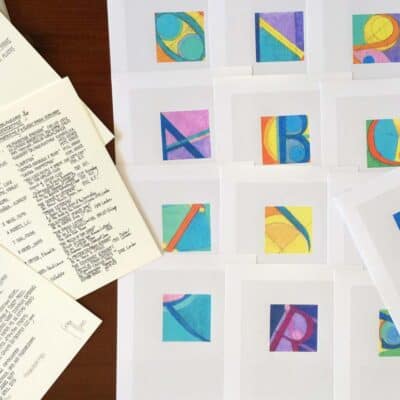
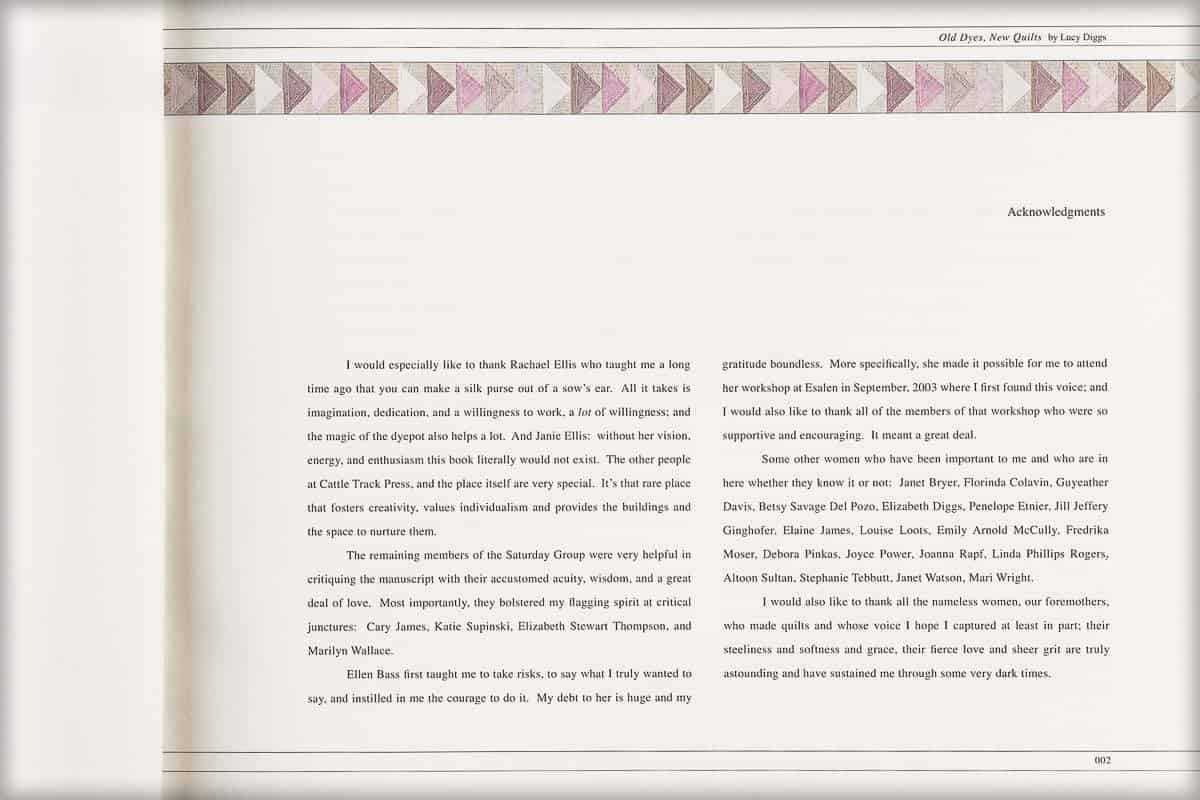
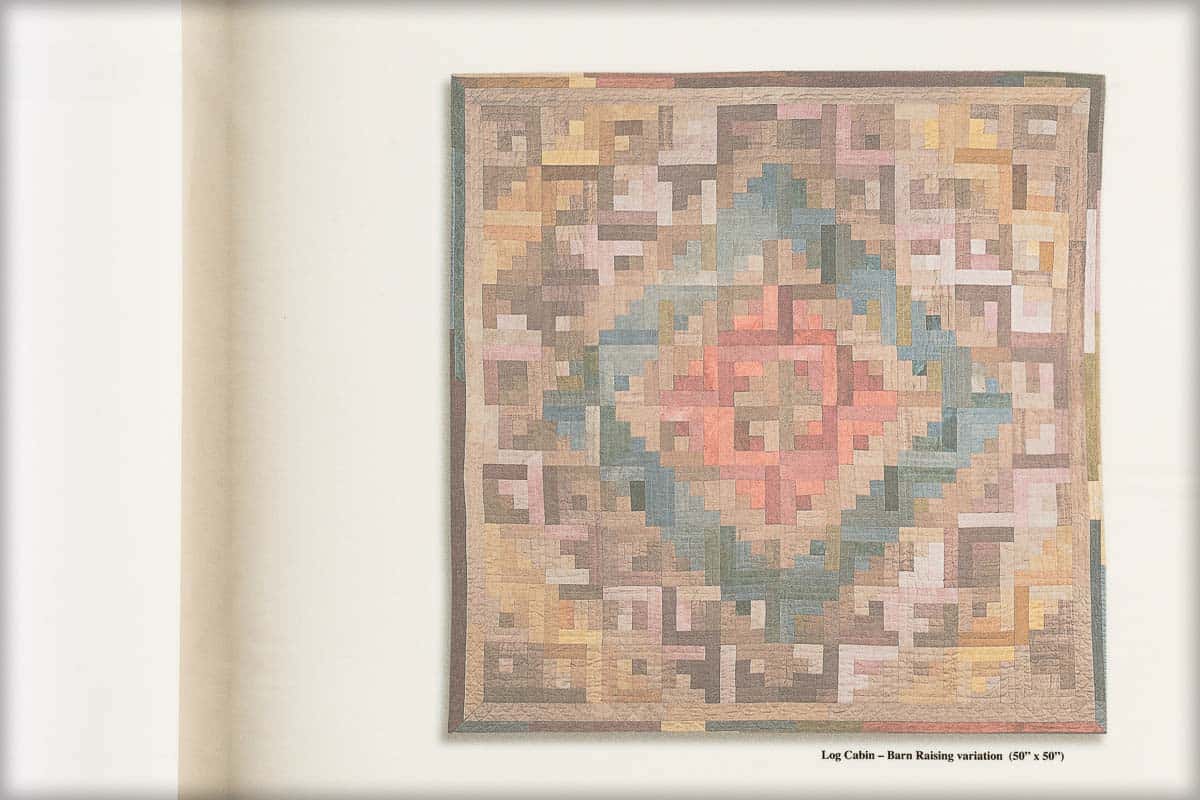
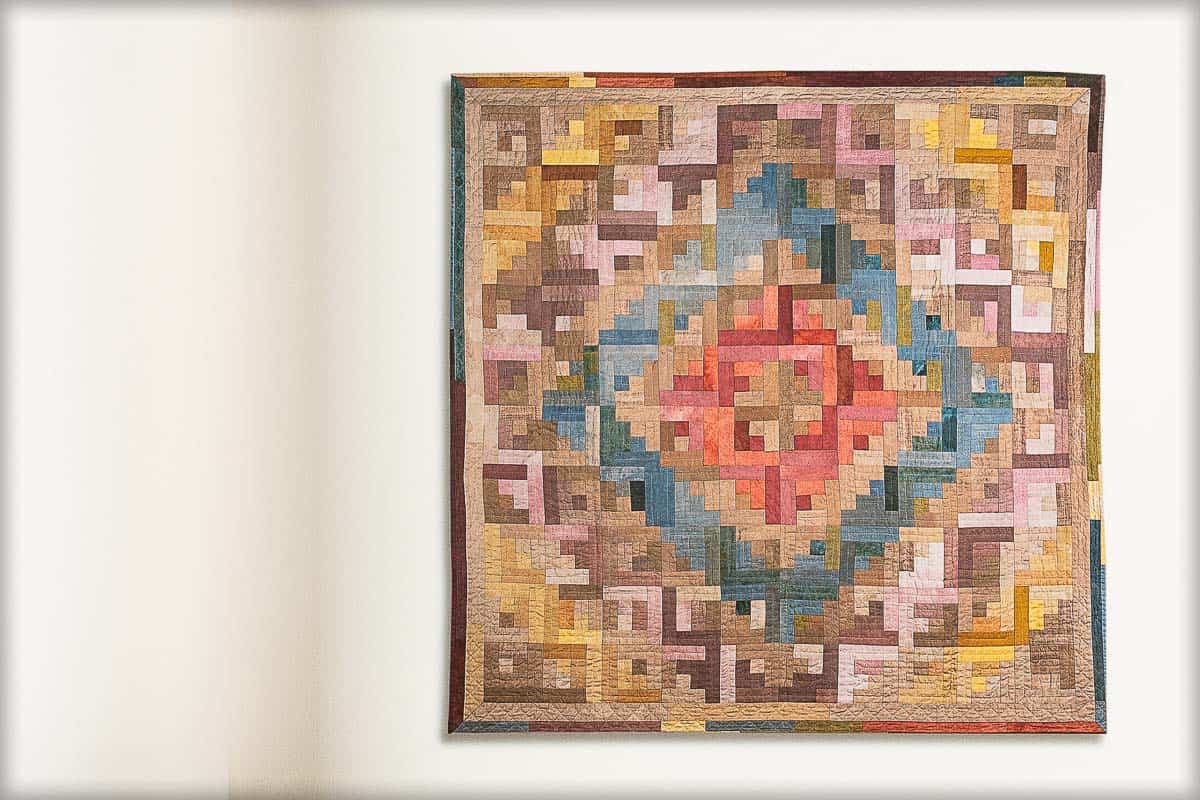
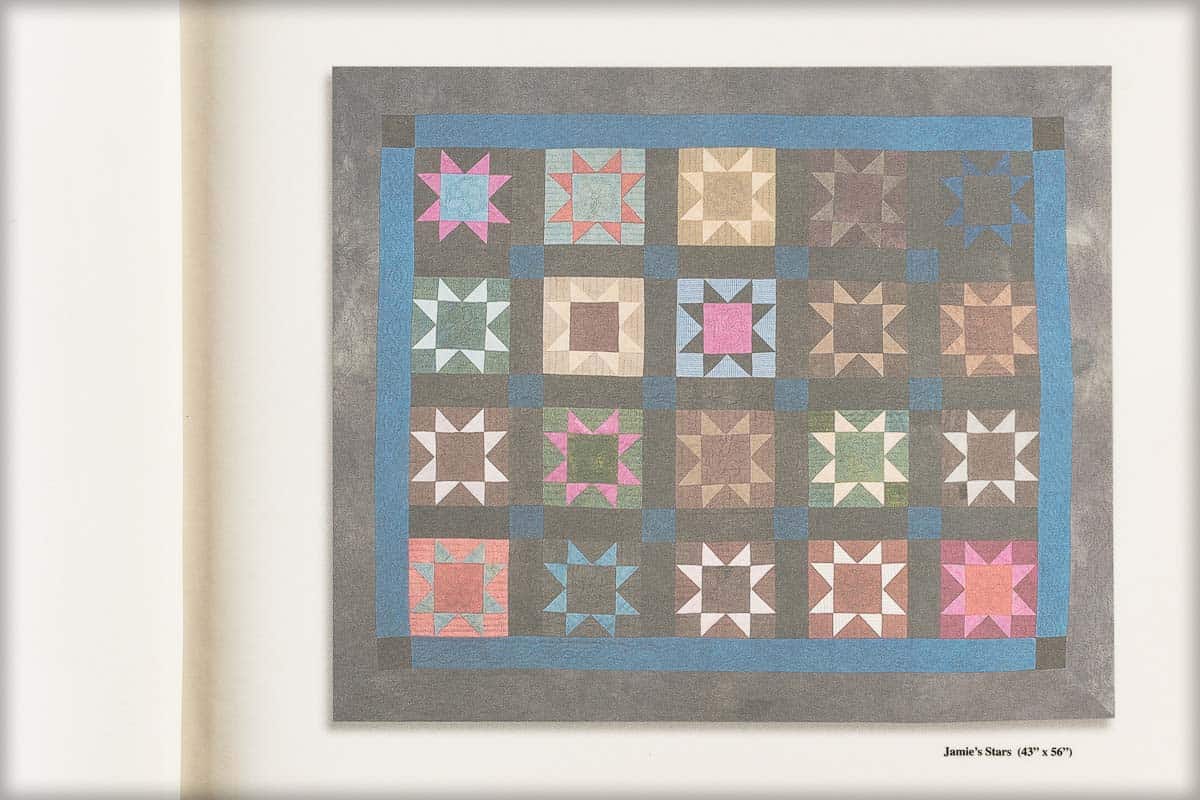
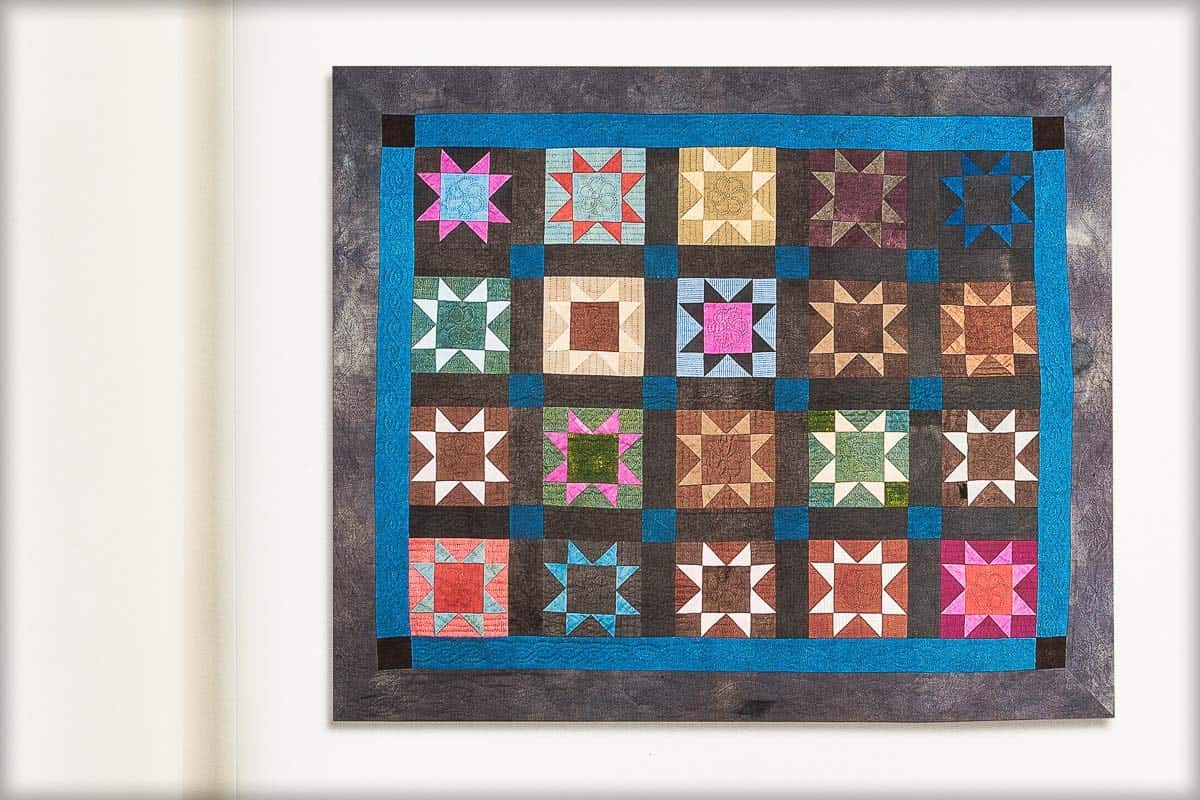
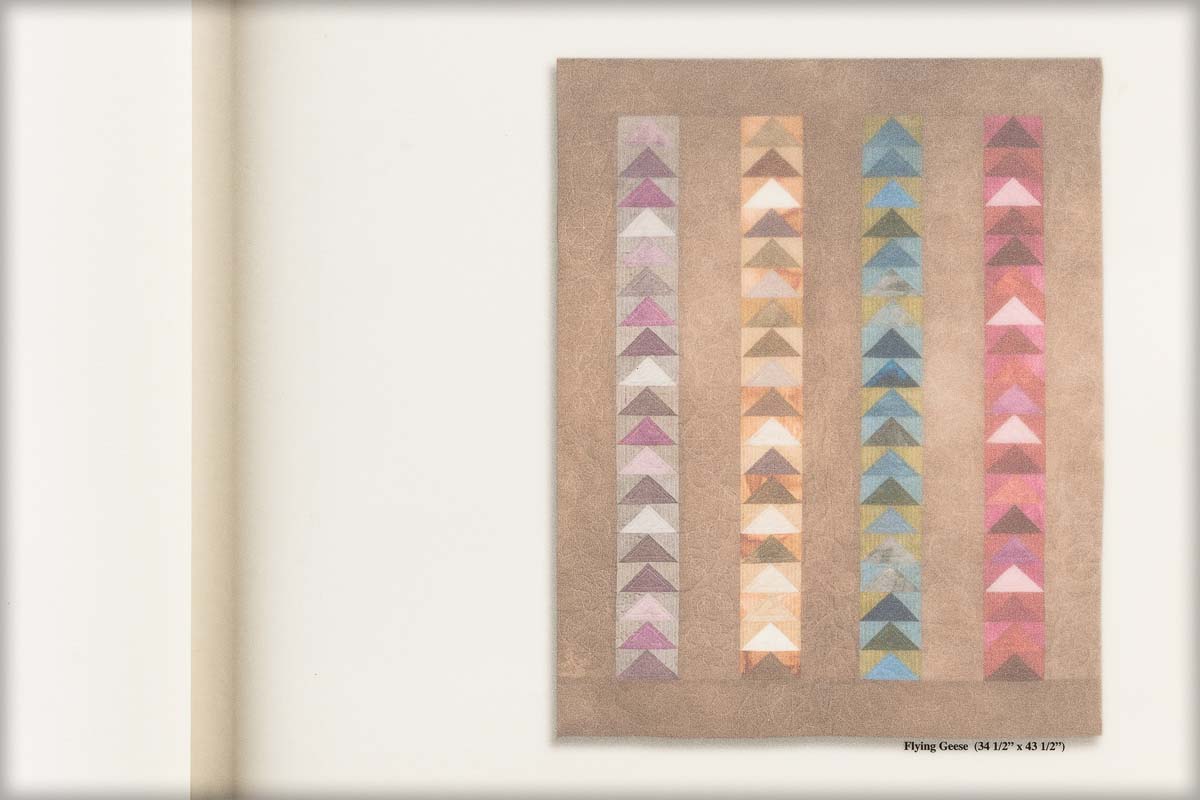
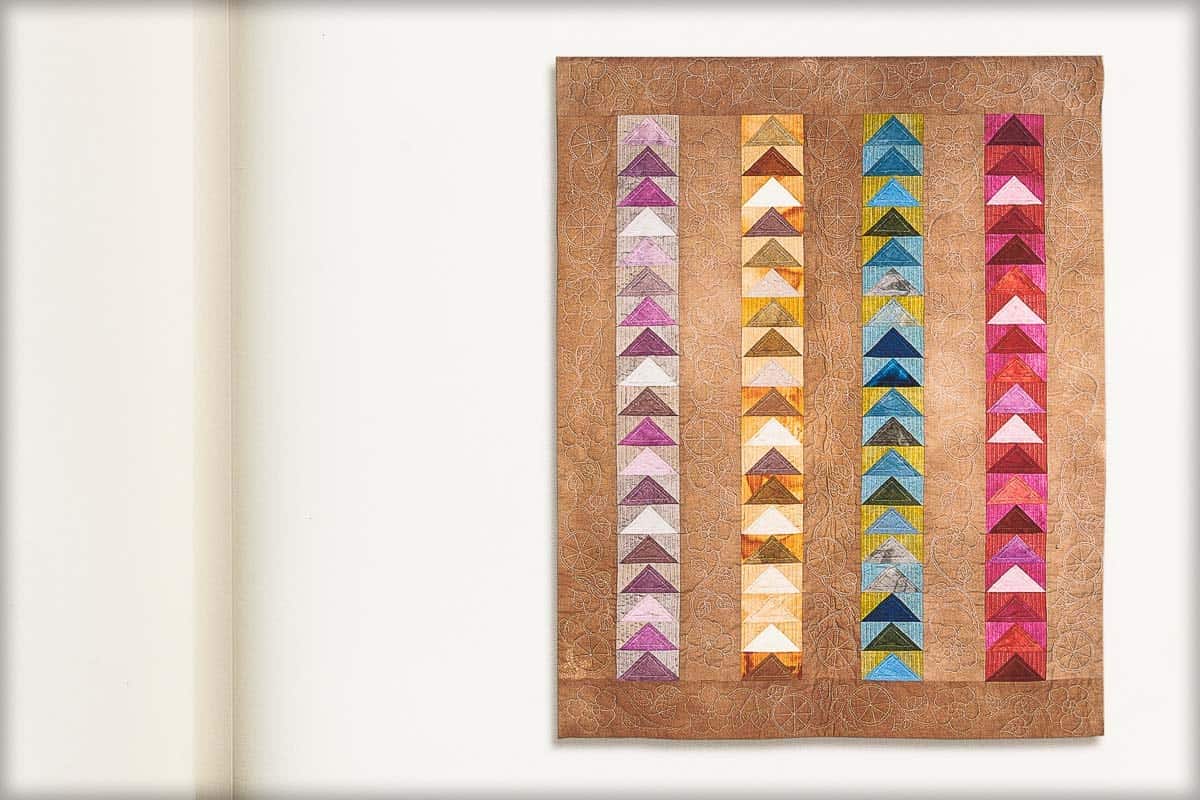
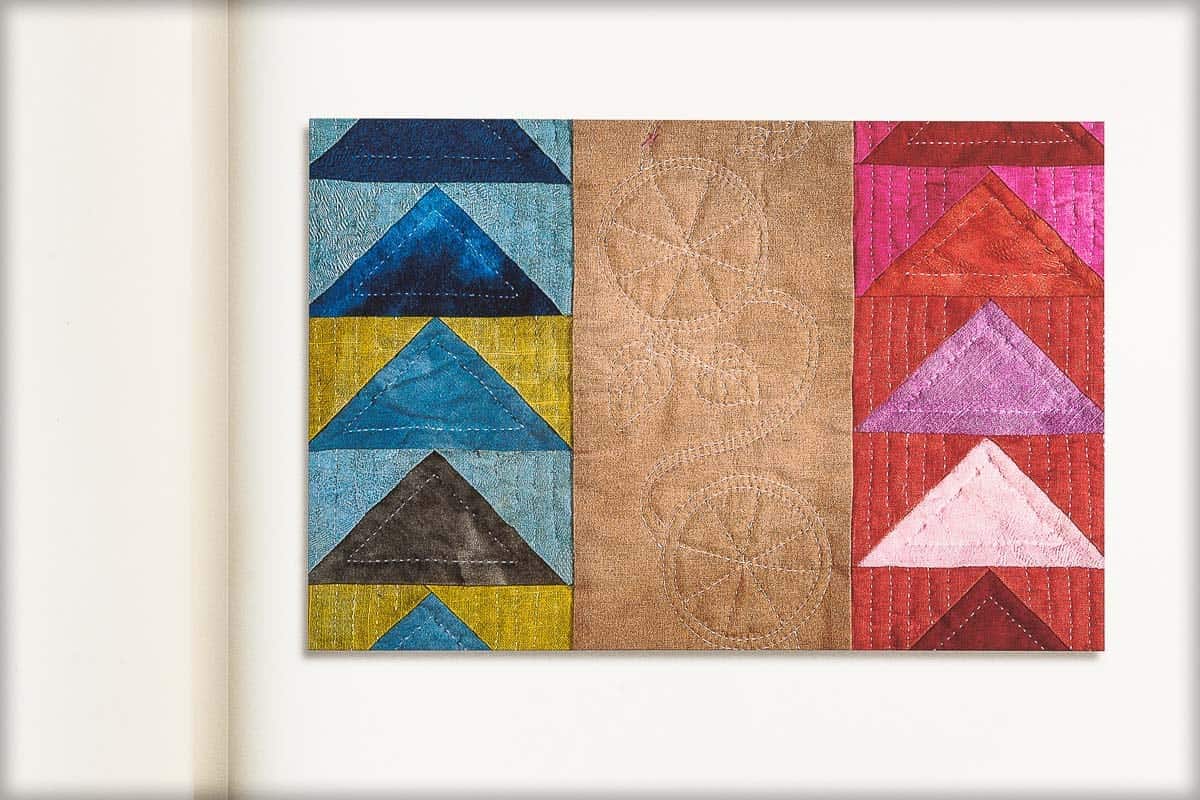
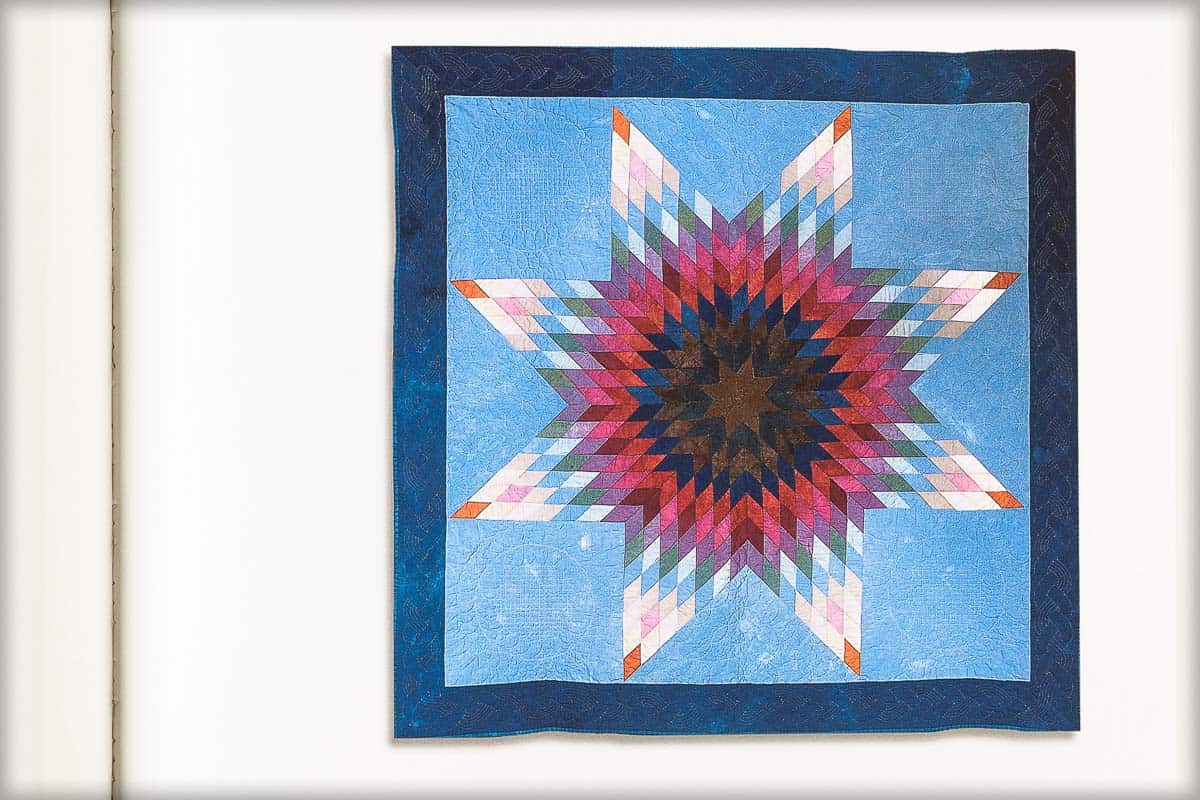
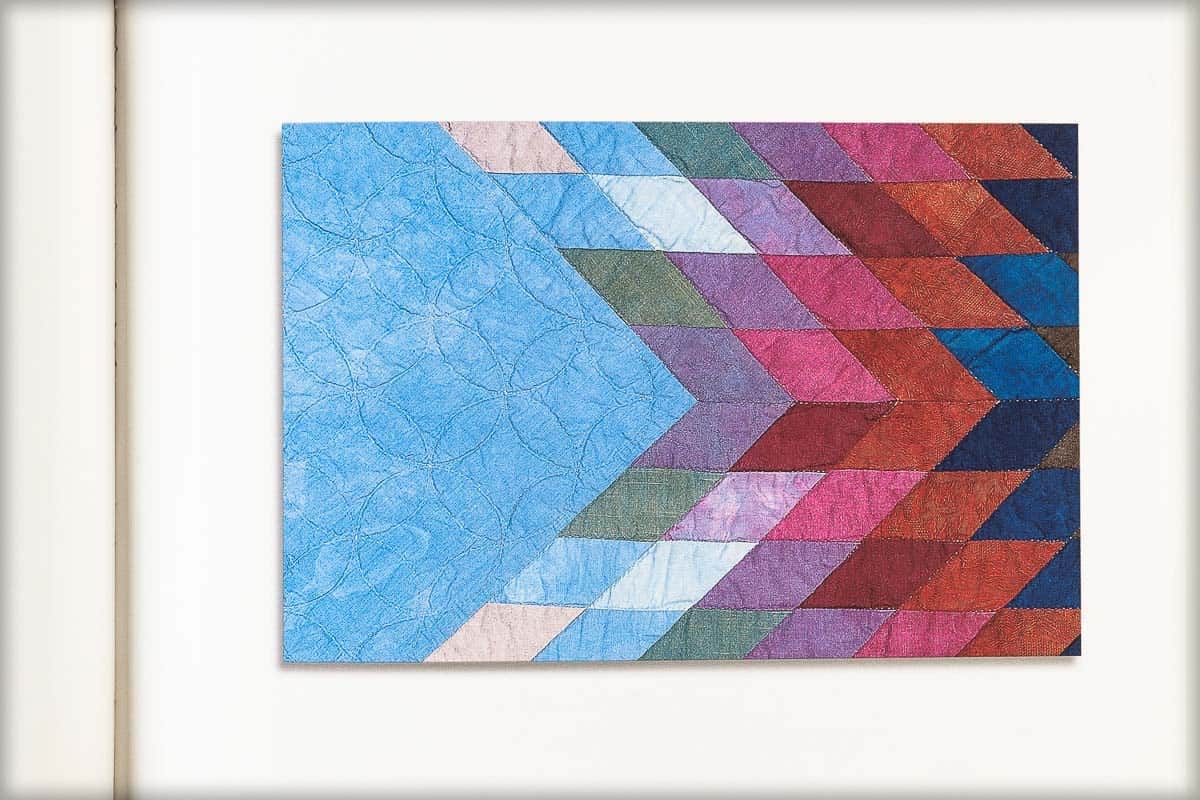
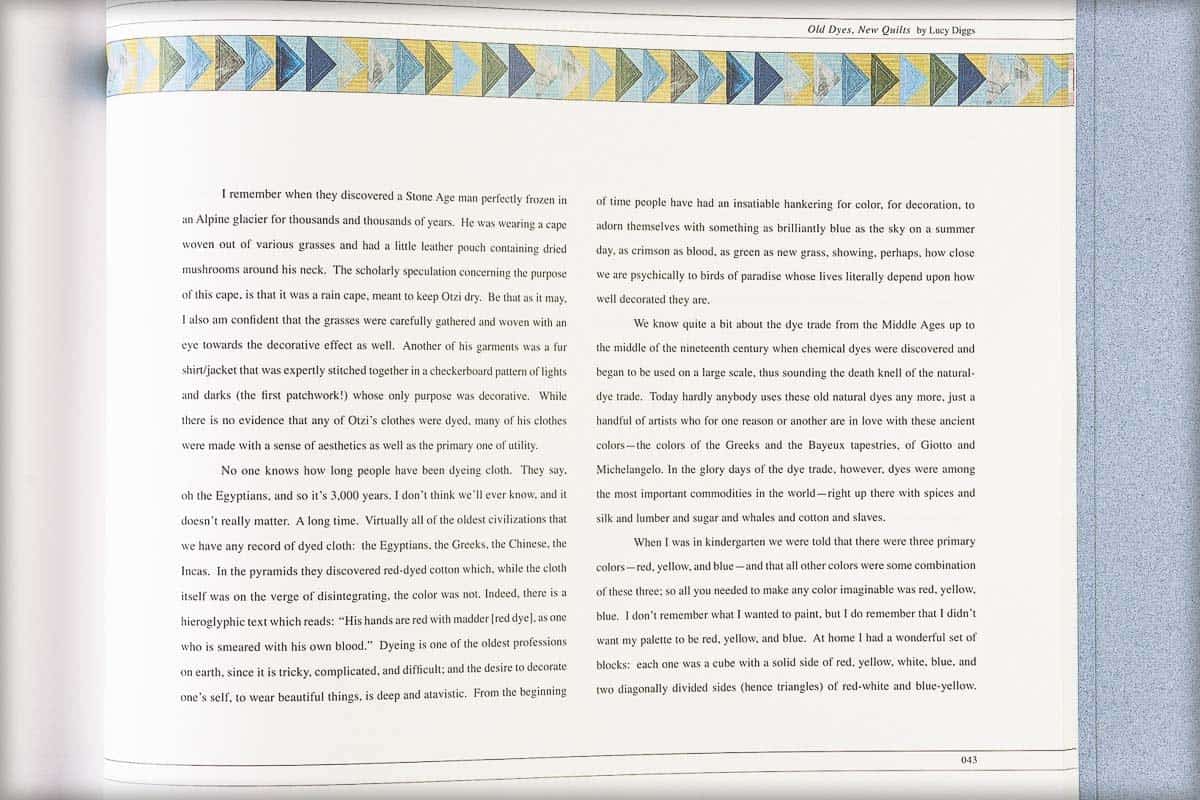
A stunning book of the quilted creations of Lucy Diggs, a personal expression of textile beauty as well as a glimpse into the history and meaning behind the patterns. (The early days of quilting sprang from necessity, community and love. Nothing went to waste so it was natural that fabric from your husband’s old shirt or a worn dress was the source from which snippets were sewn together to create warmth for the children. And then, the satisfaction of seeing a quilt that you made with your own hands and you made it out of nothing. Lucy takes you on her journey of the creation of a quilt, it’s beauty, complexity, and symbolism.) Being an artist and adventurous soul, Lucy takes us with her in the process of treating the fabric and dying it with all natural ingredients. A truly beautiful read, vicariously experiencing the labor of love that these quilts represent, enhances the visual impact of her creations.

Cattle Track Press 2005
Cattle Track Arts and Preservation
Quilts images printed on Somerset Velvet acid-free rag paper using Epson Ultrachrome inks on and Epson 9600 printer by Carlos Mandelaveitia
Text by Lucy Diggs, printed in Times Roman type on Mohawk 105g paper using a Phaser 7400
Hand bound in hardcover with an Indigo colored fabric containing fourteen (14) original quilt images plus details

Limited edition of ninety-five (95) copies with five (5) artist proofs

Robert Rauschenberg Foundation Logo
“This project was supported in part by funding received from the
Robert Rauschenberg Foundation.”